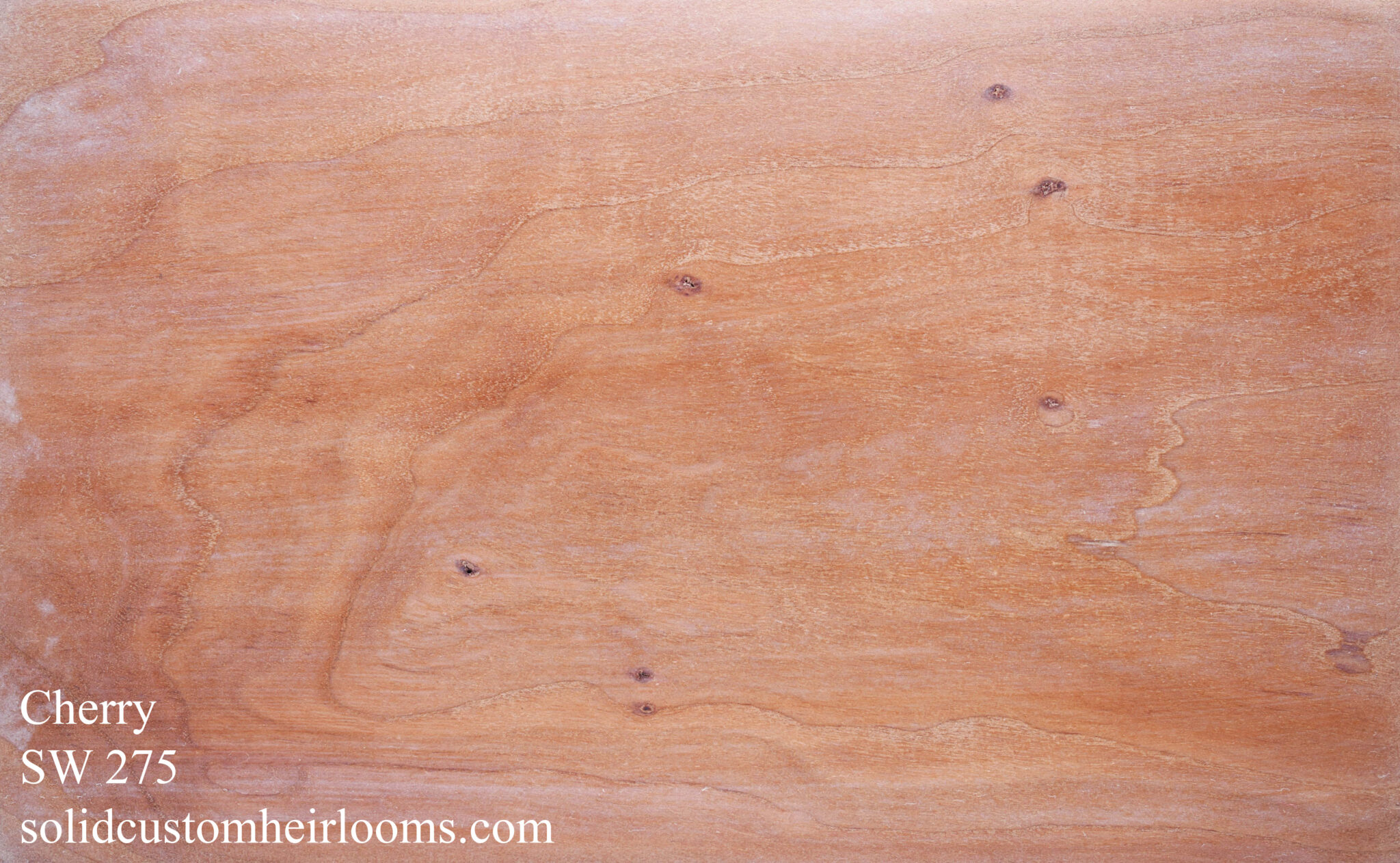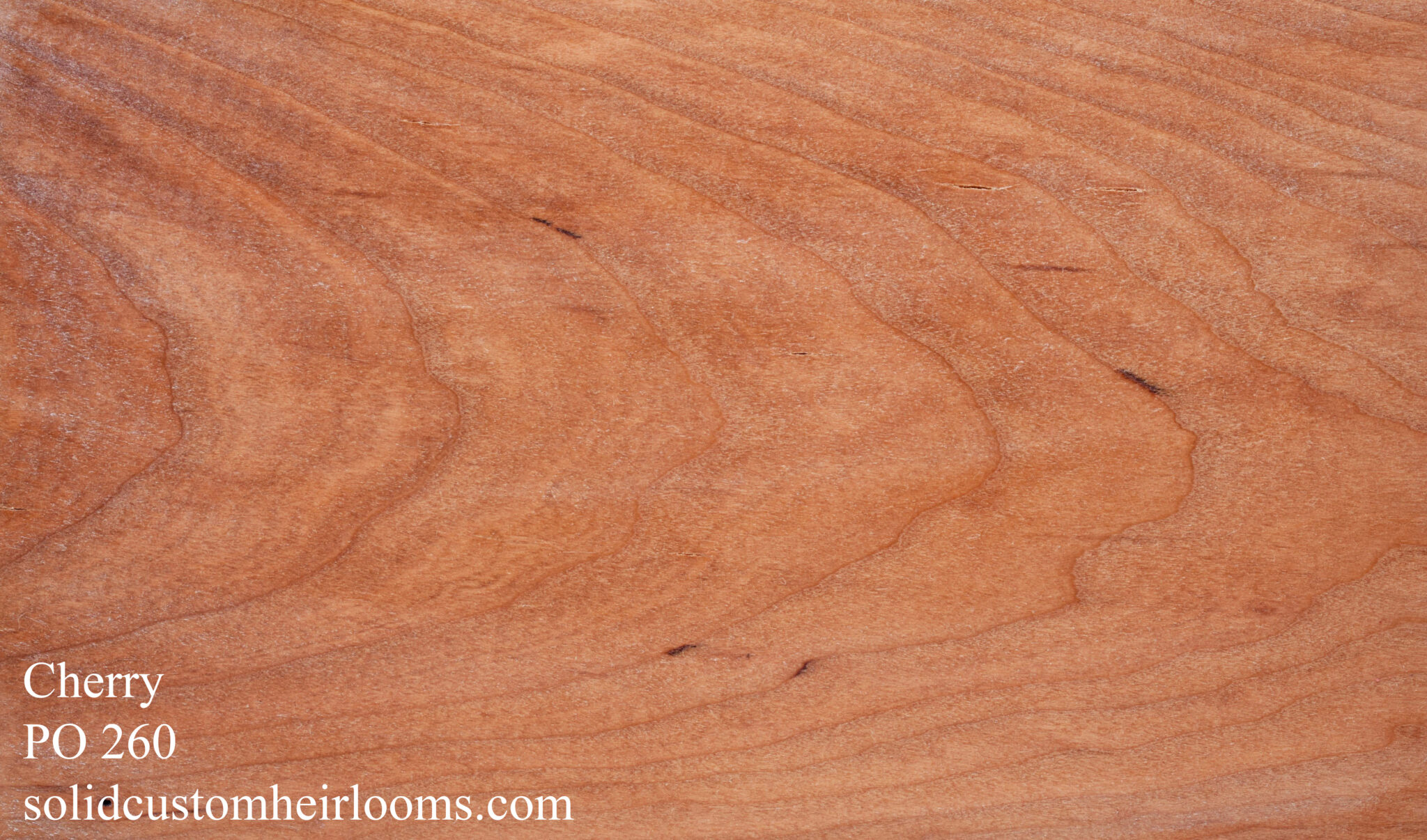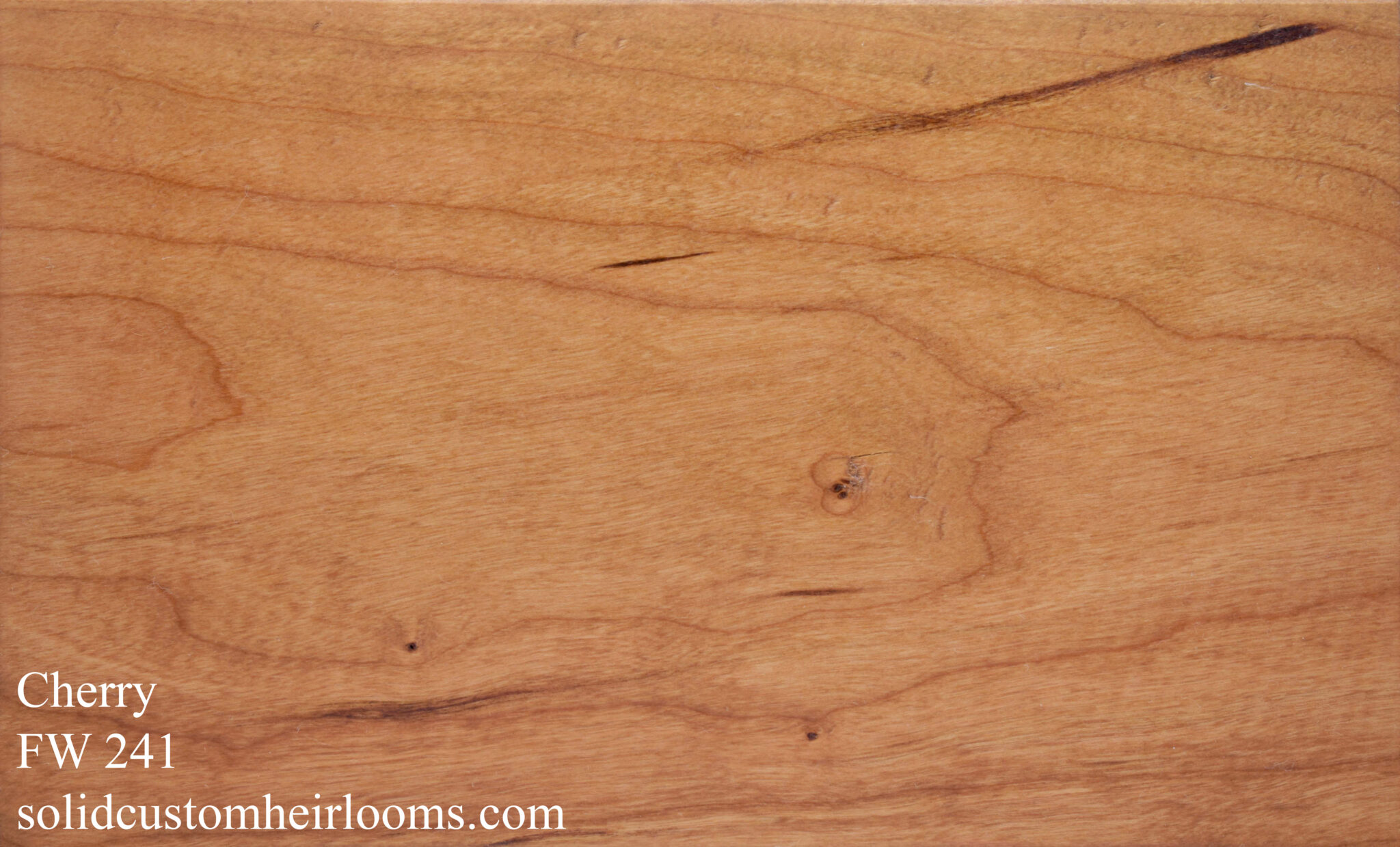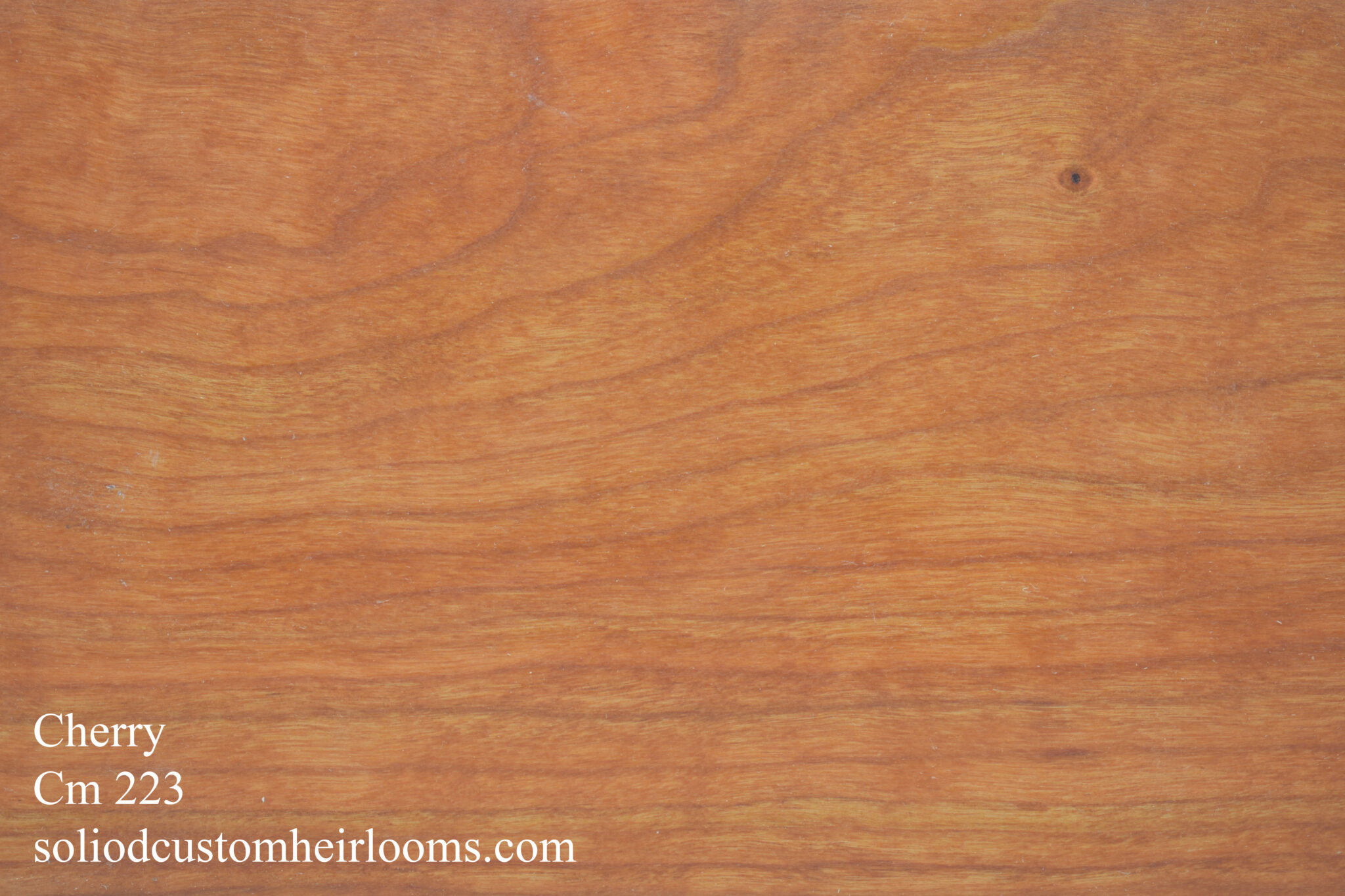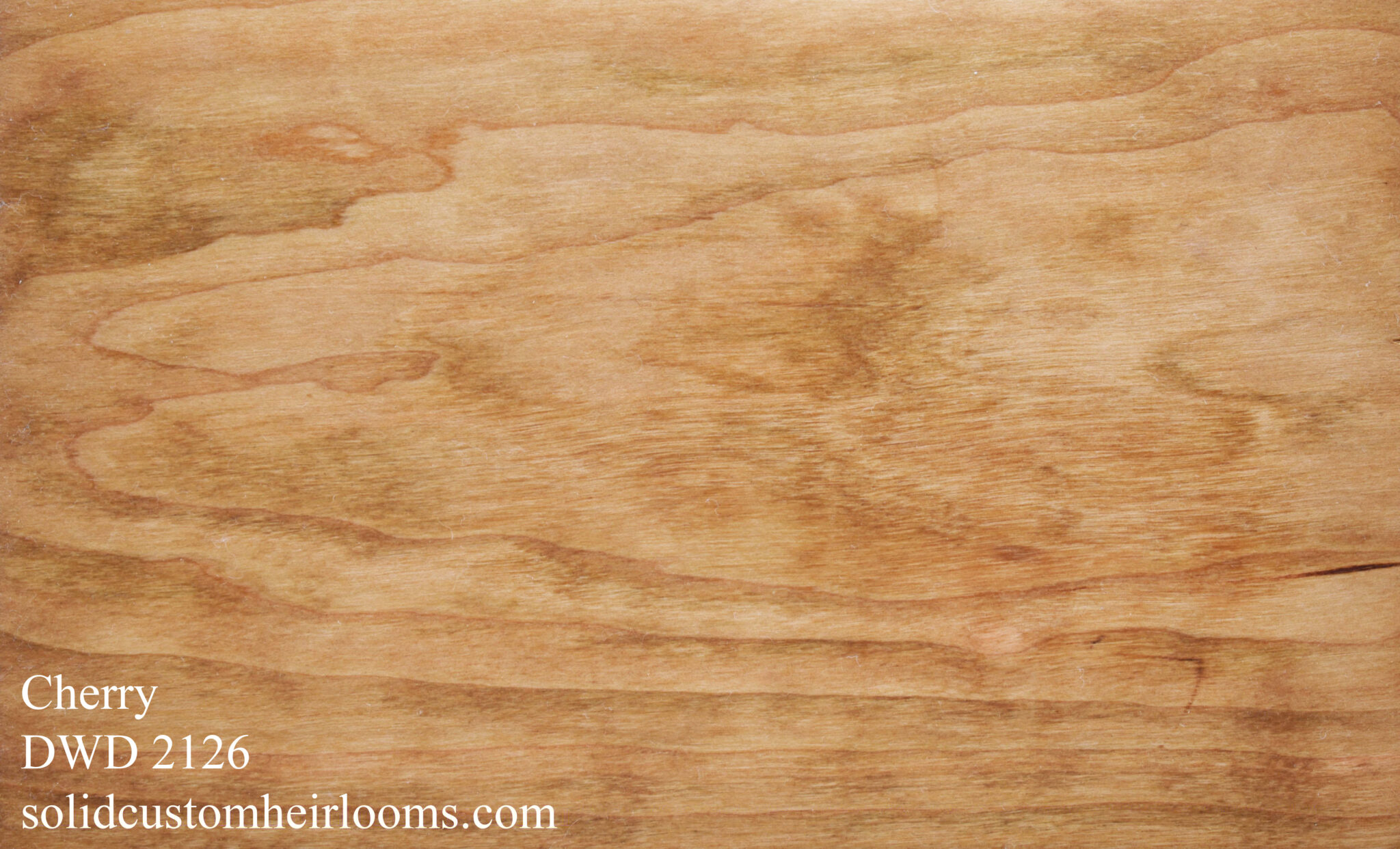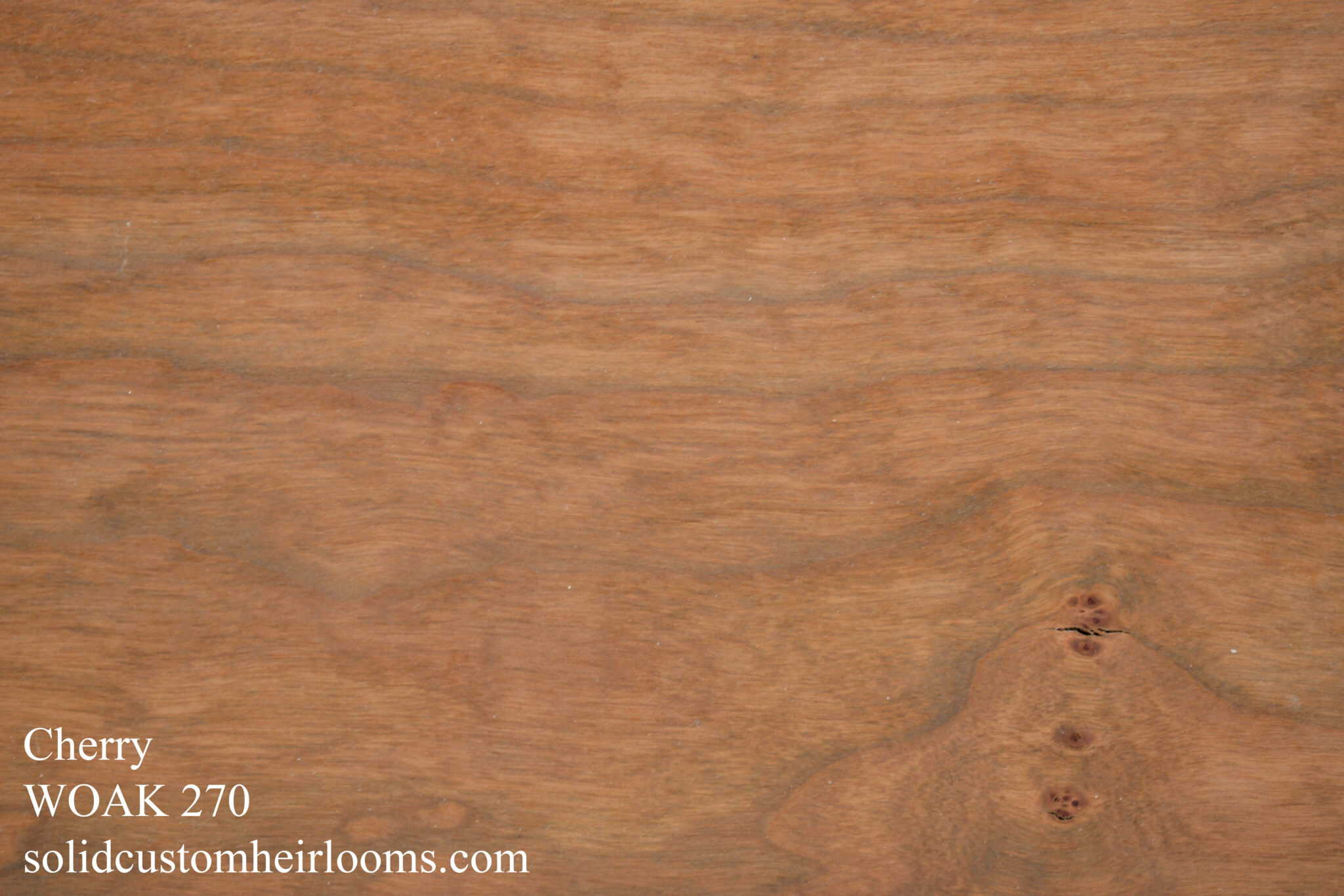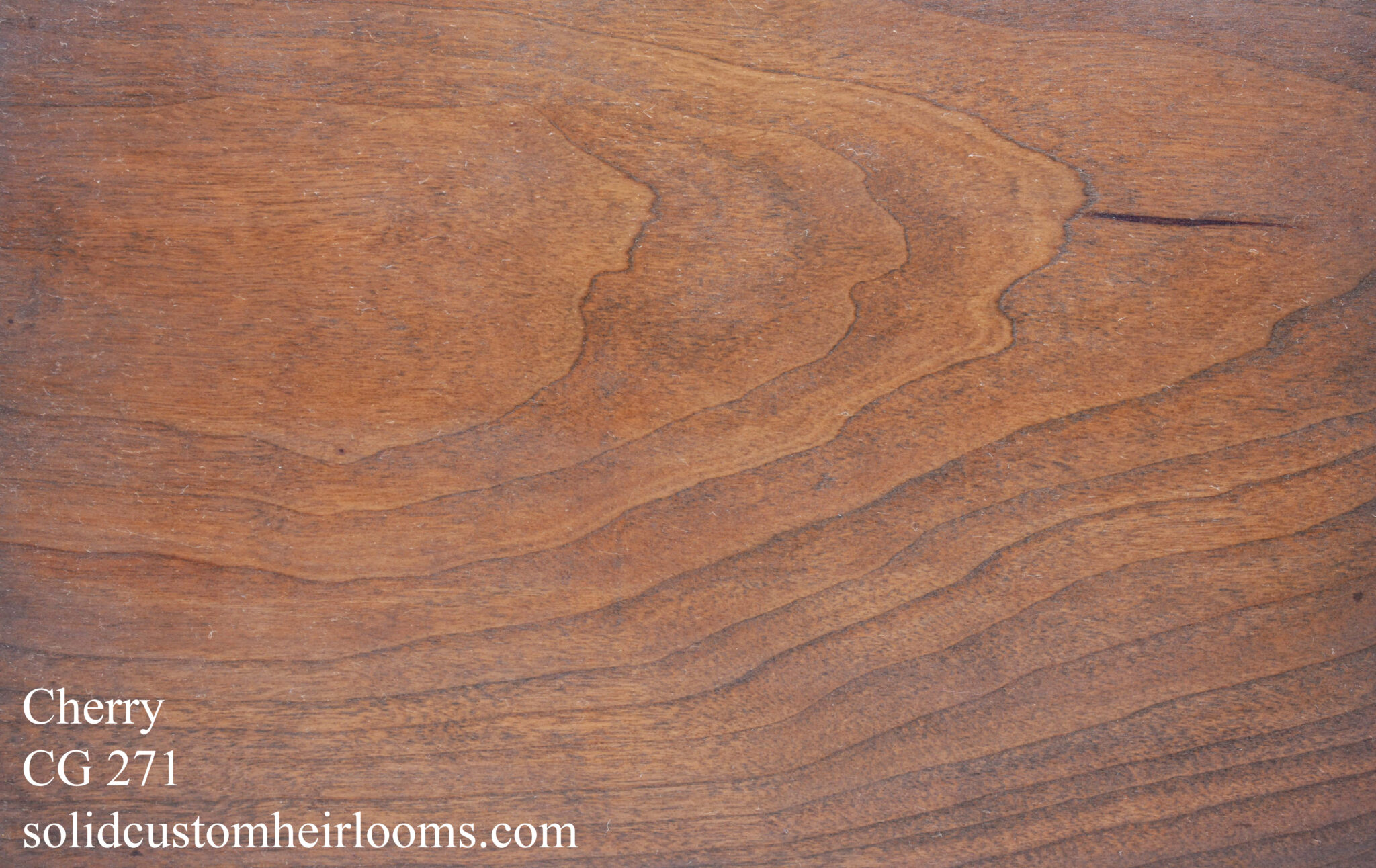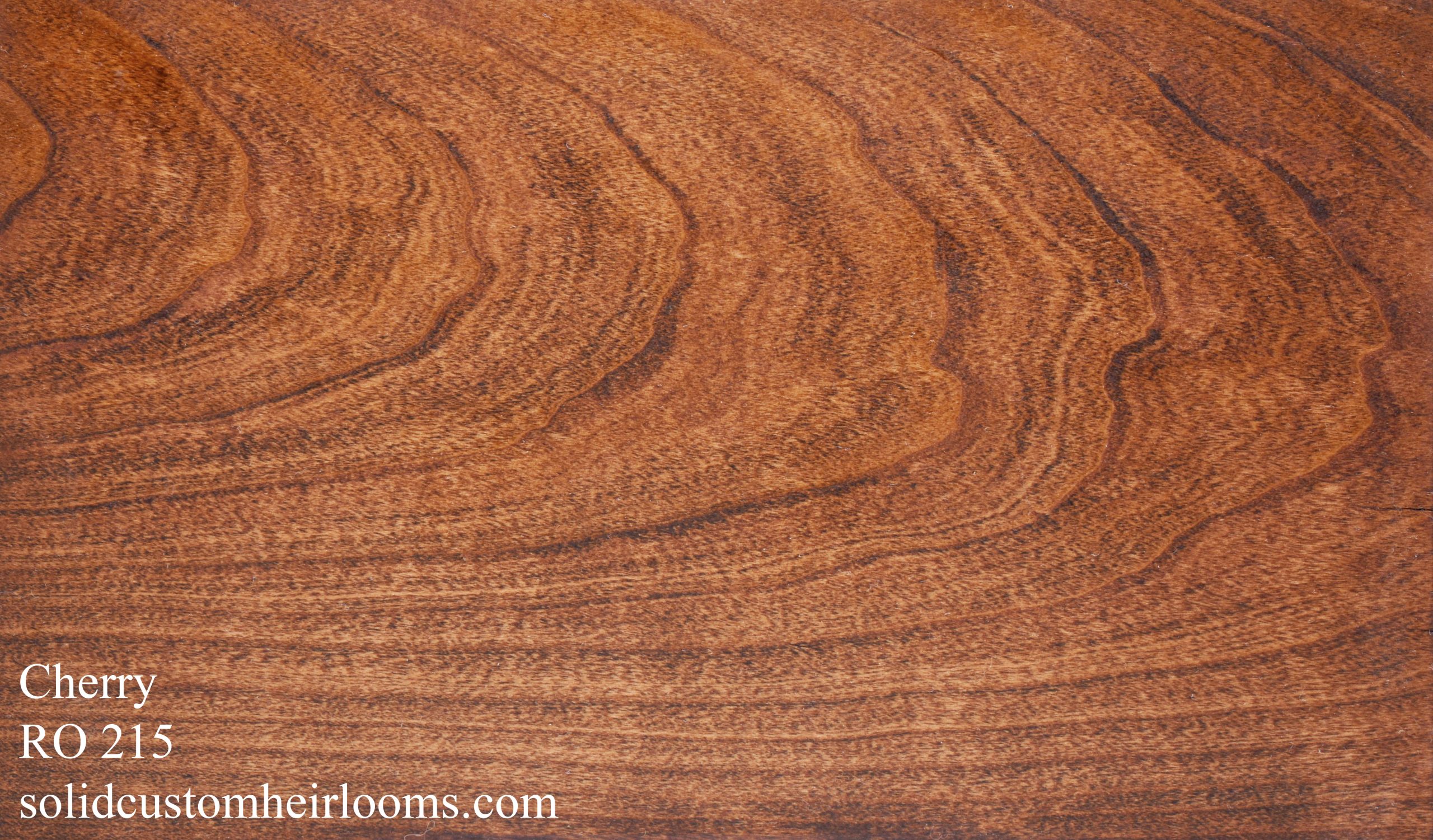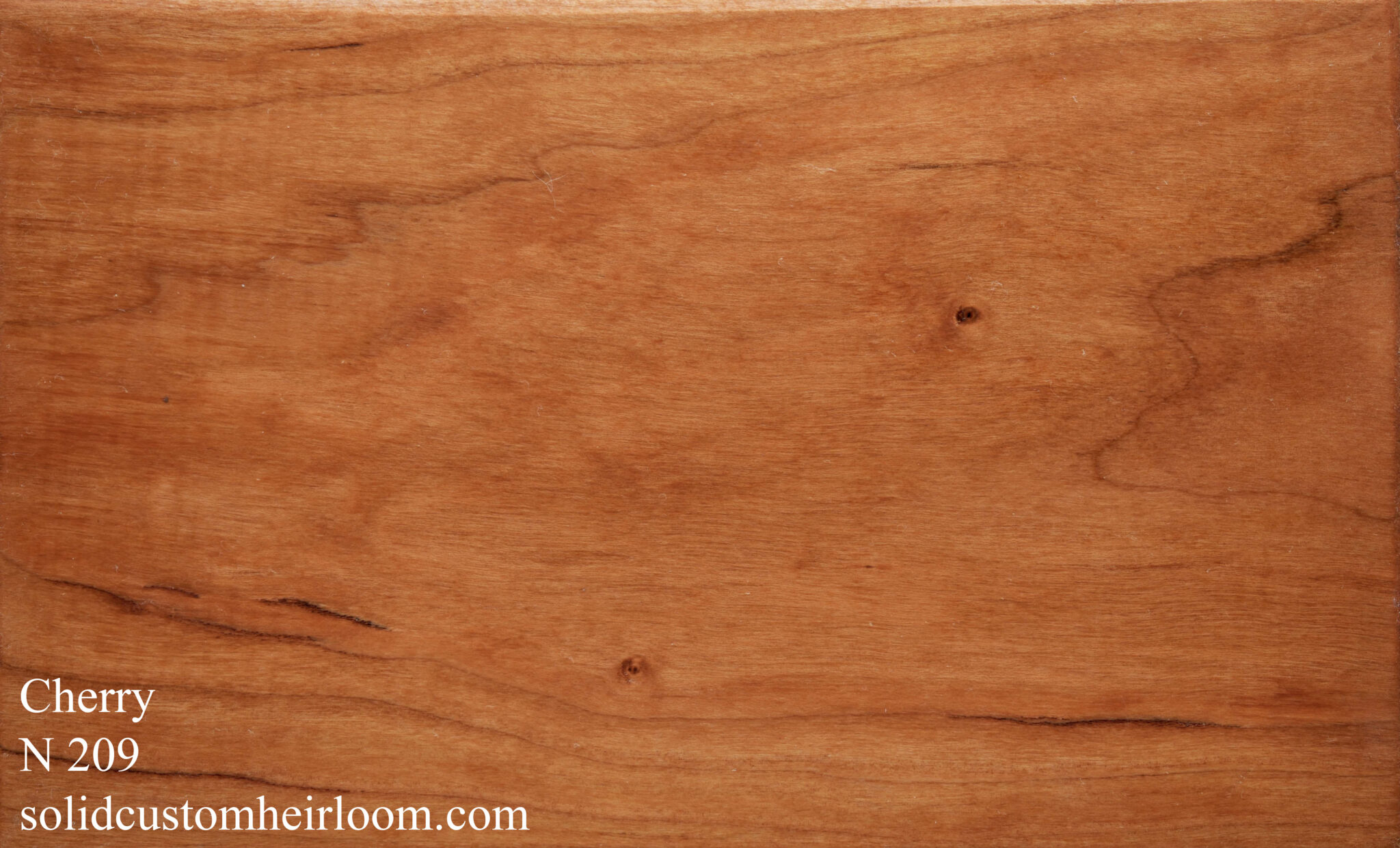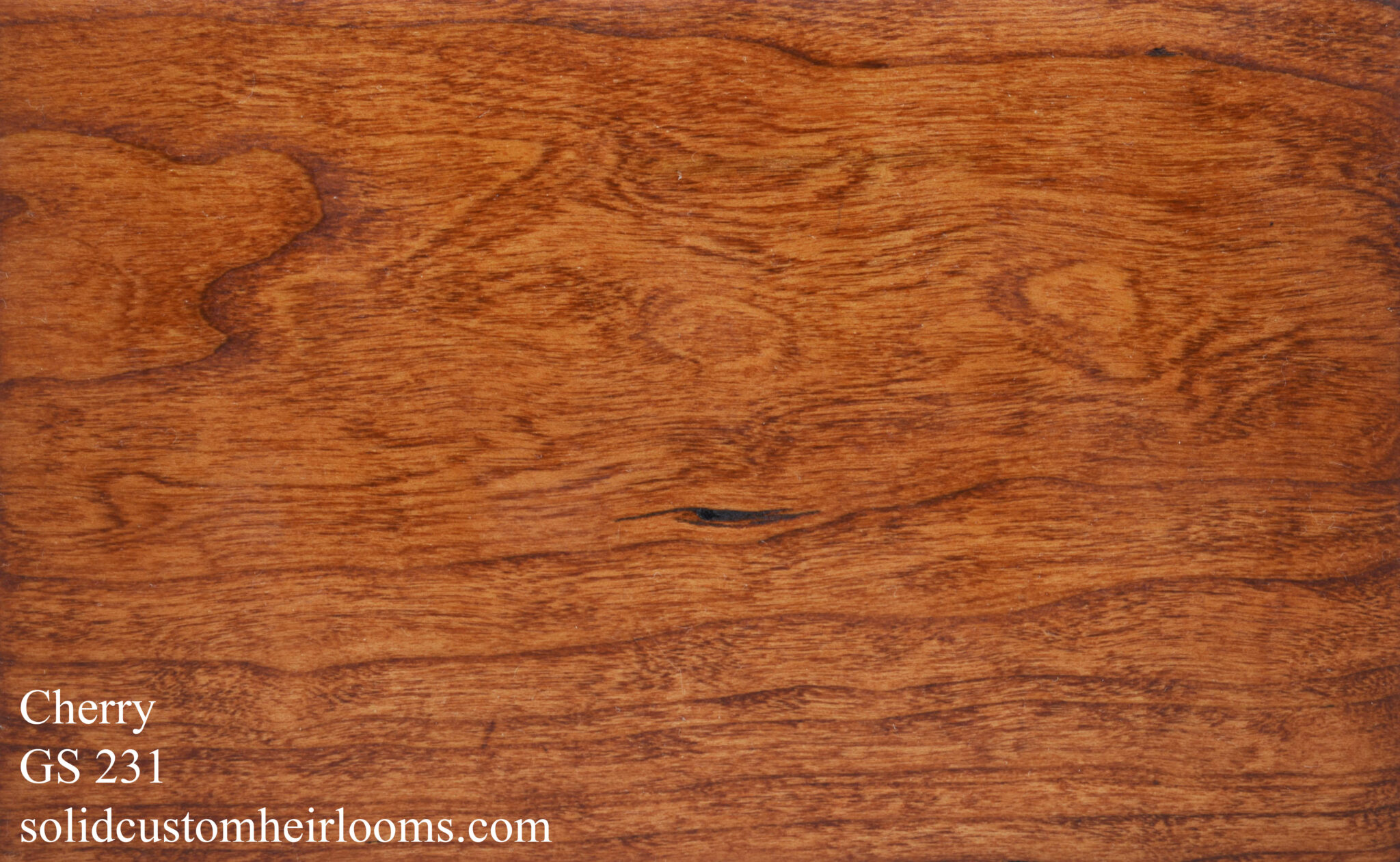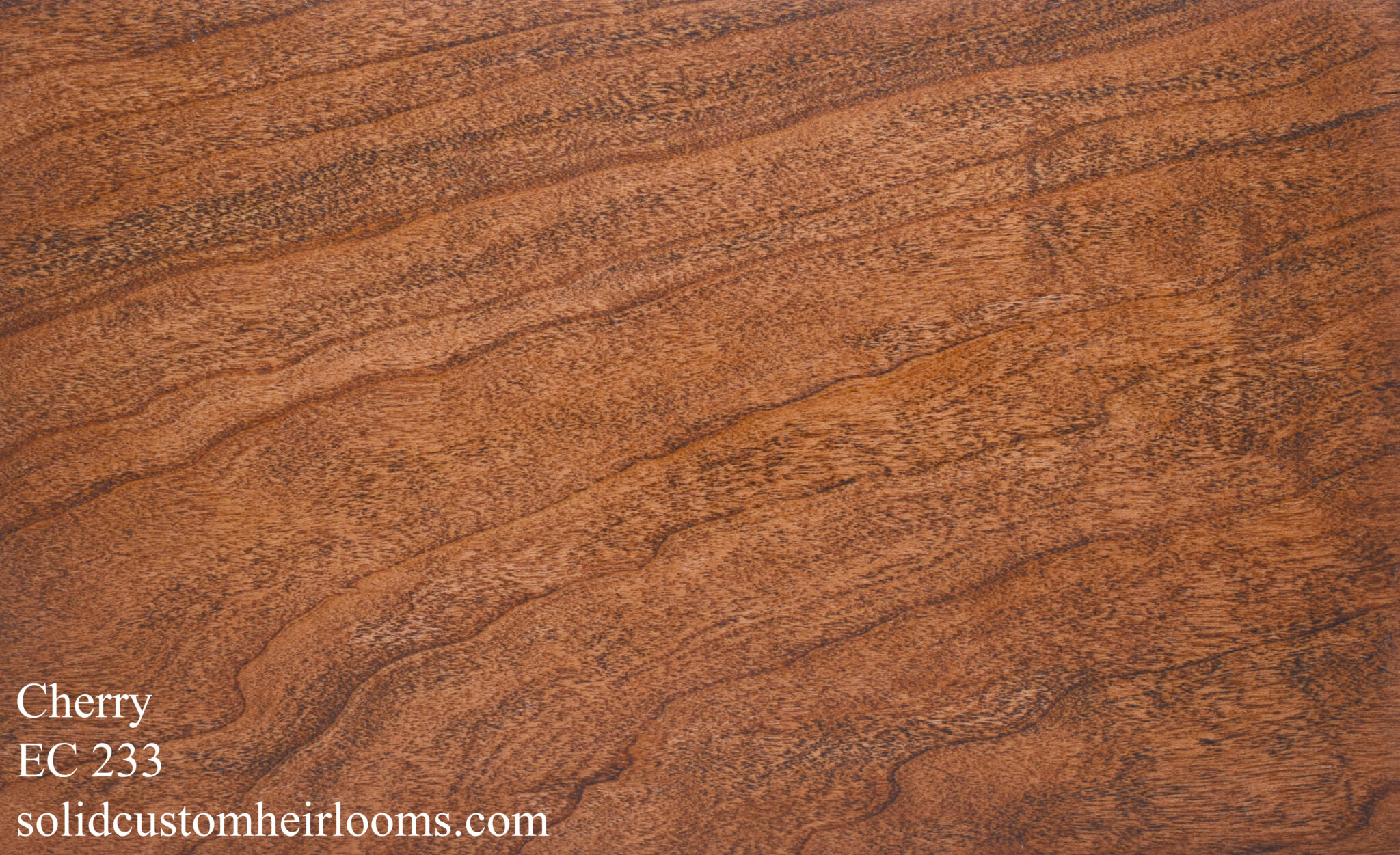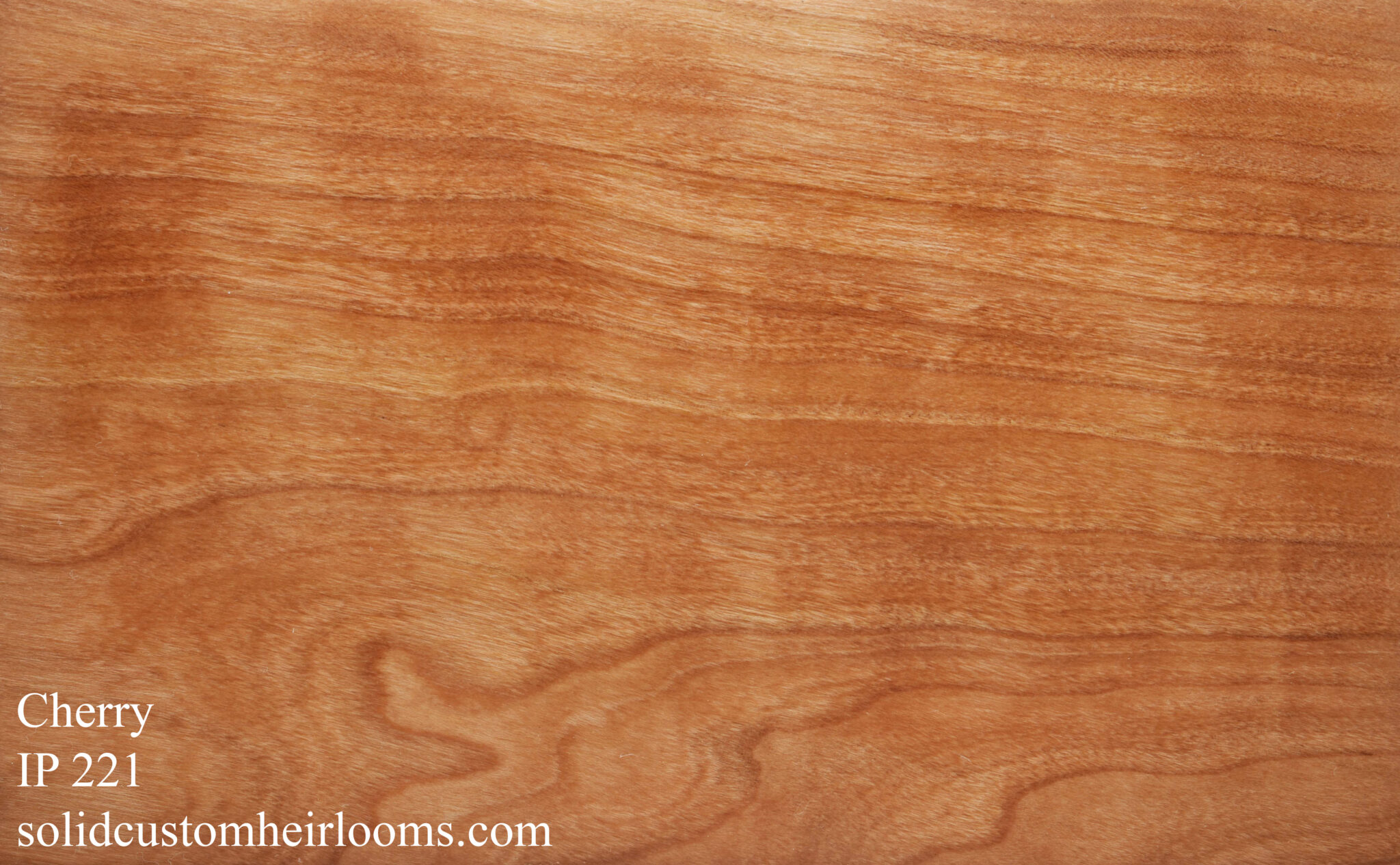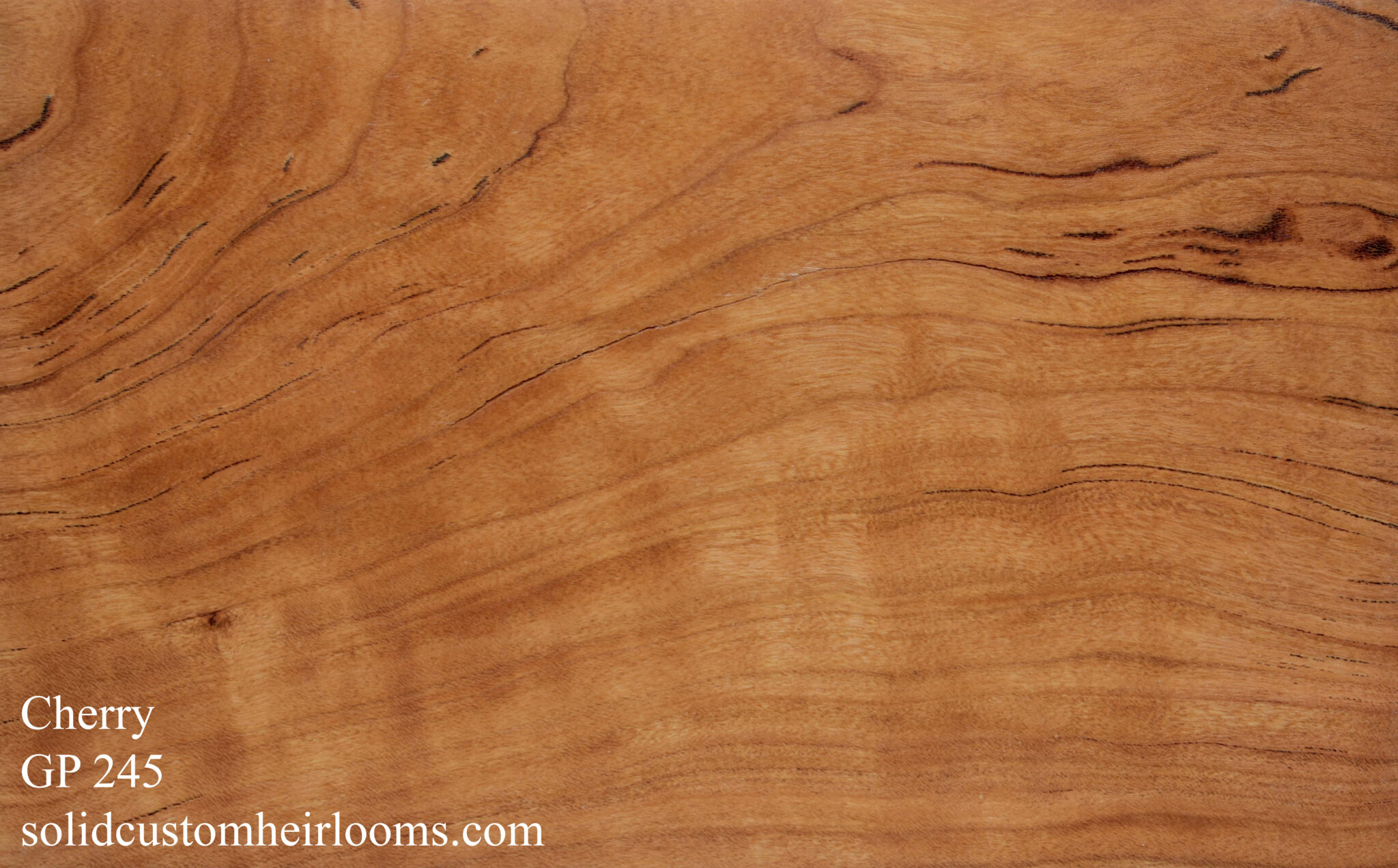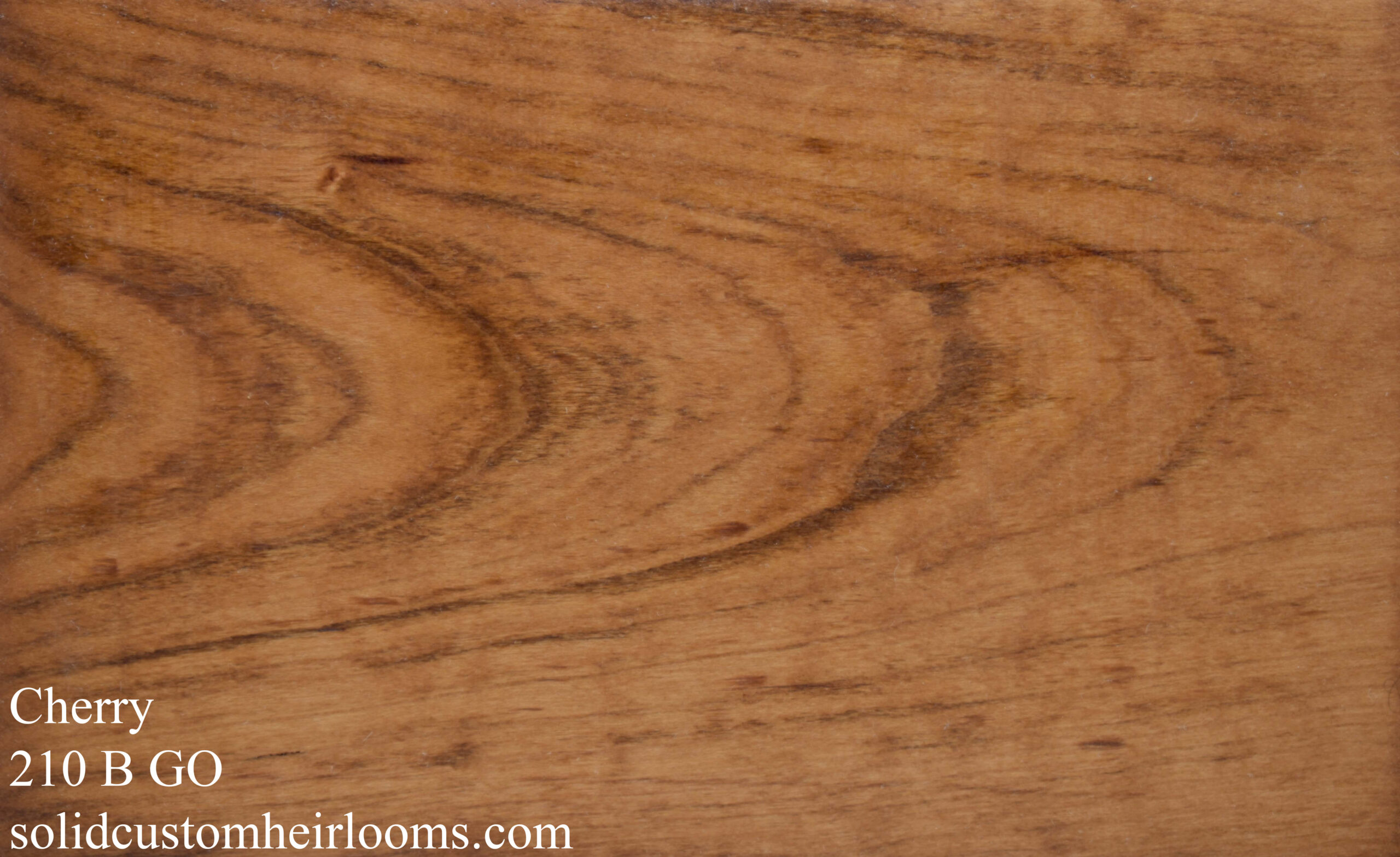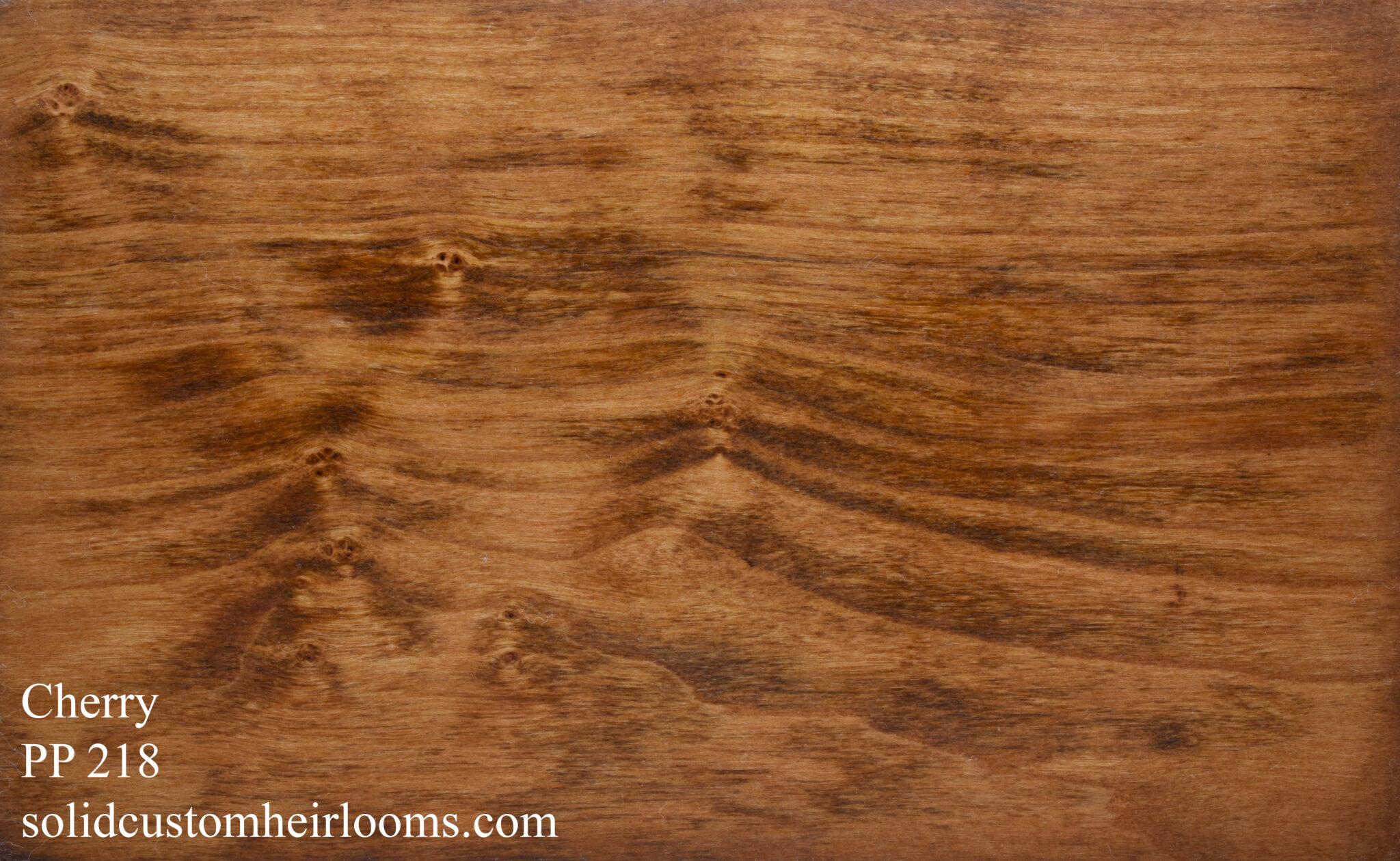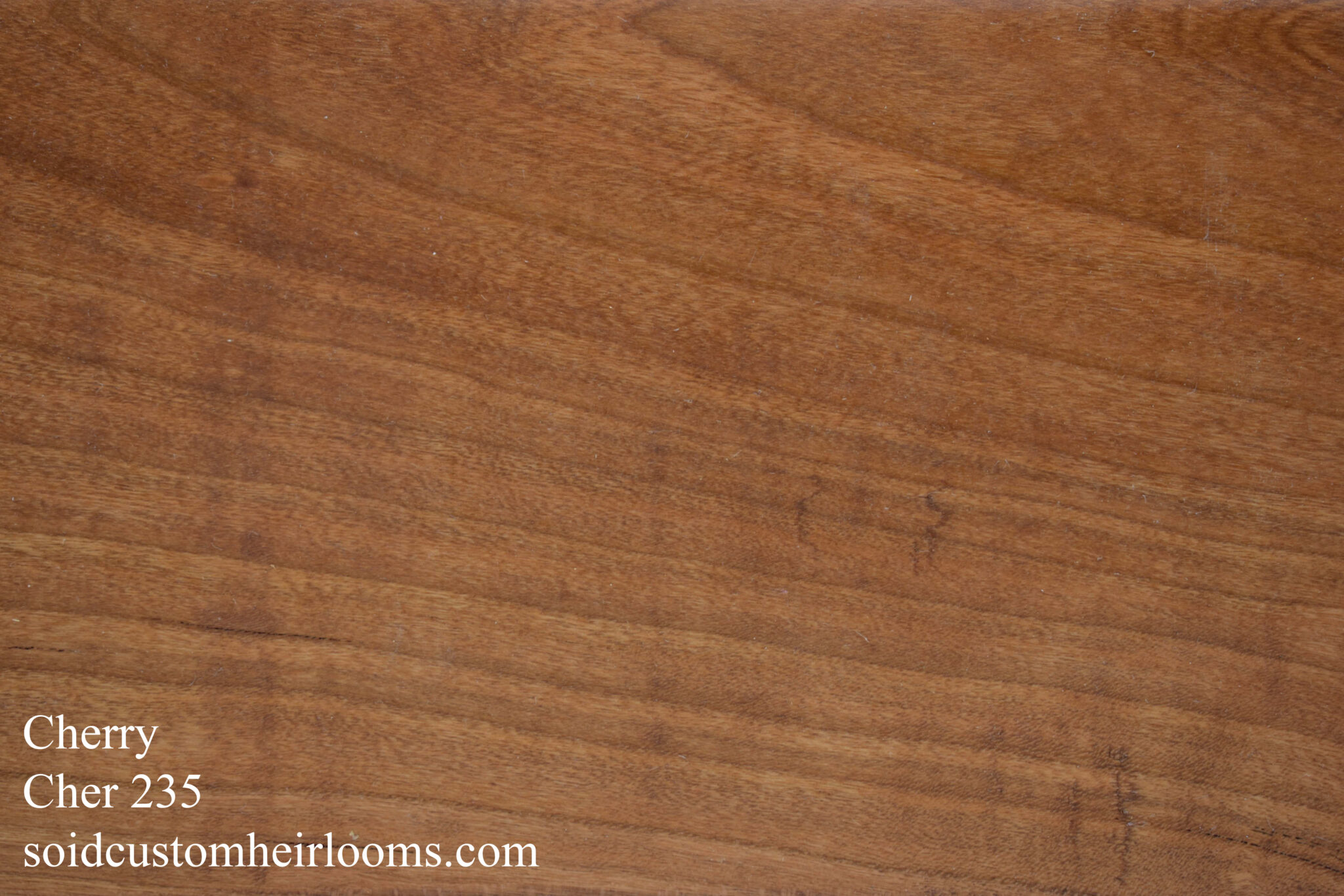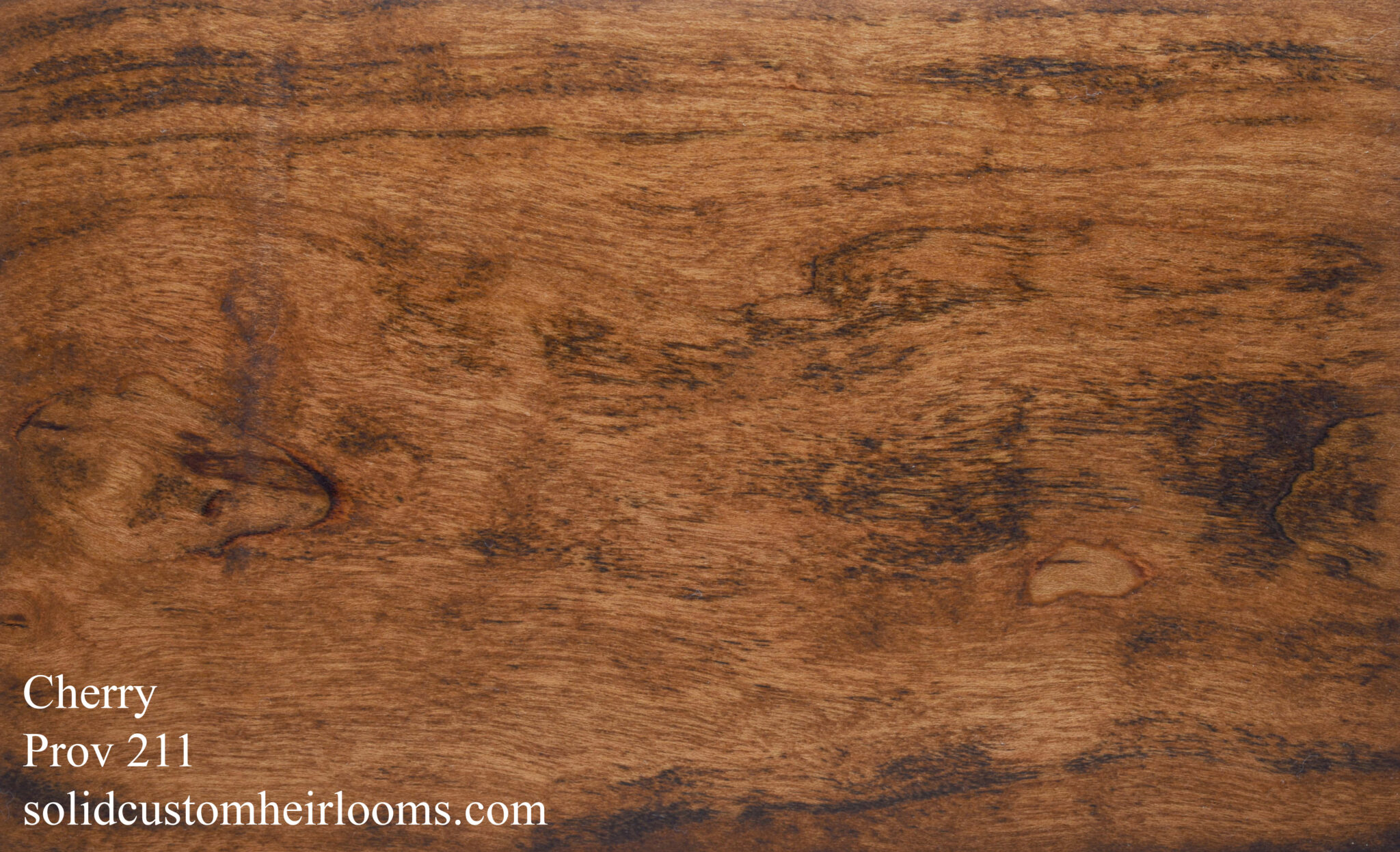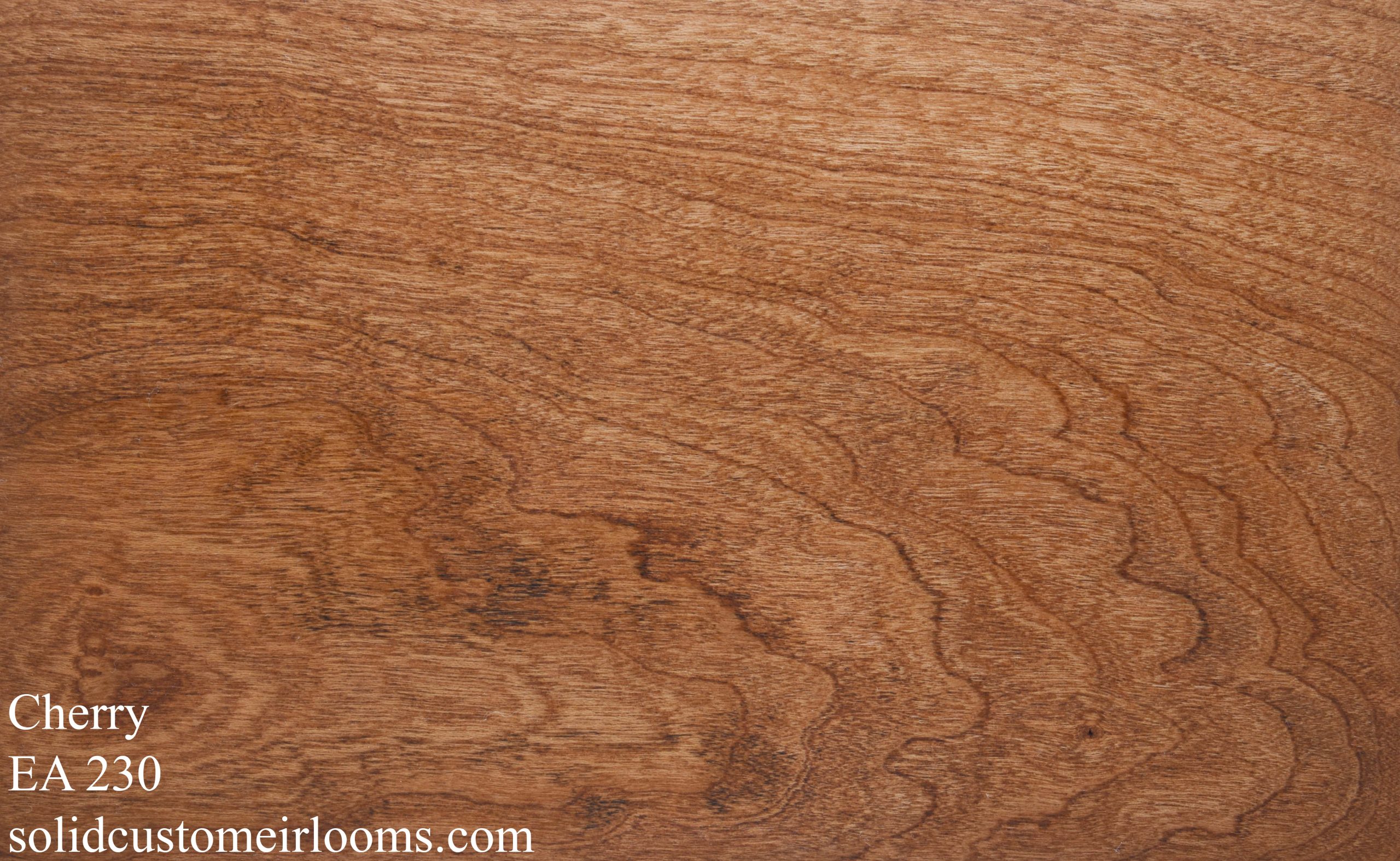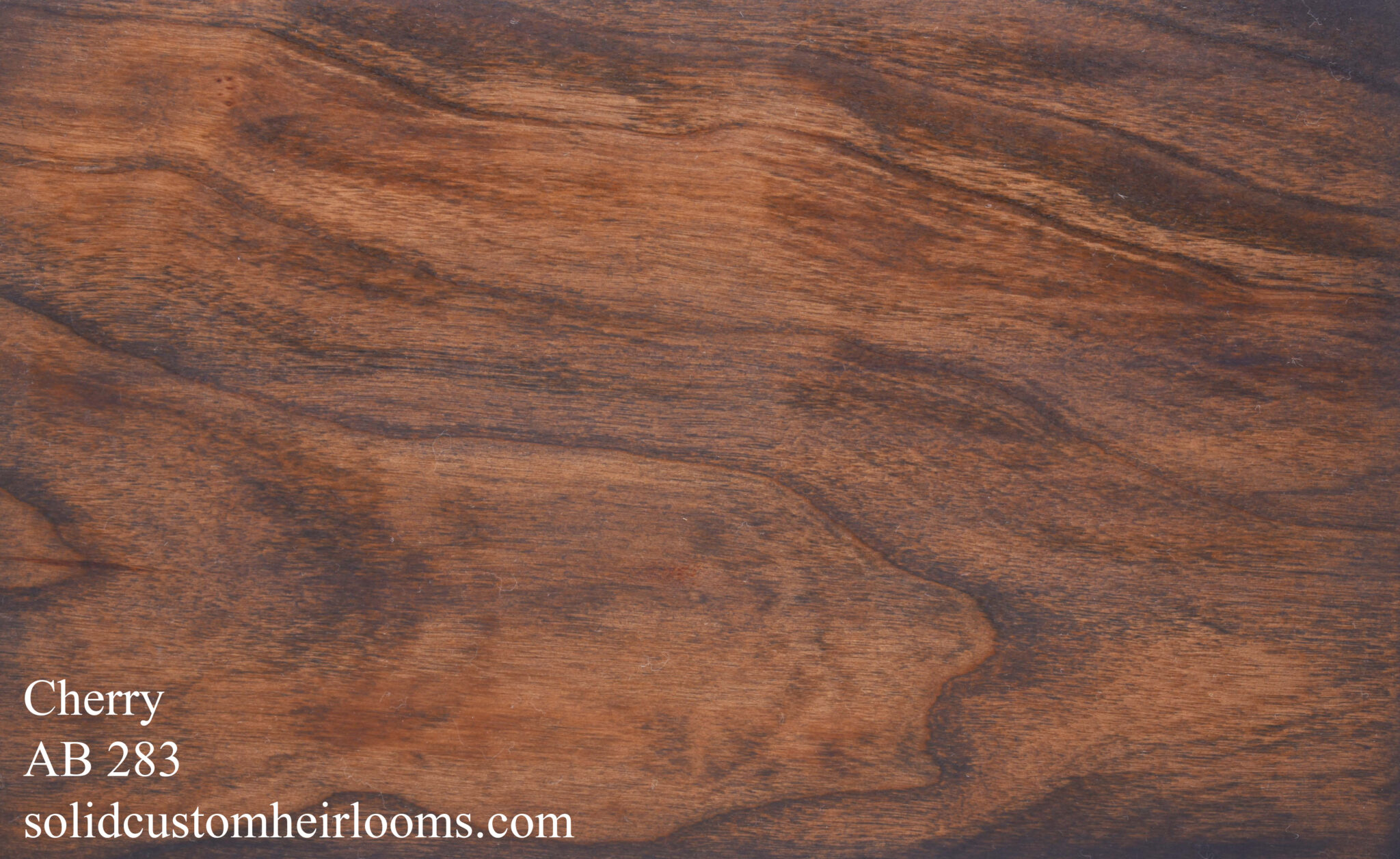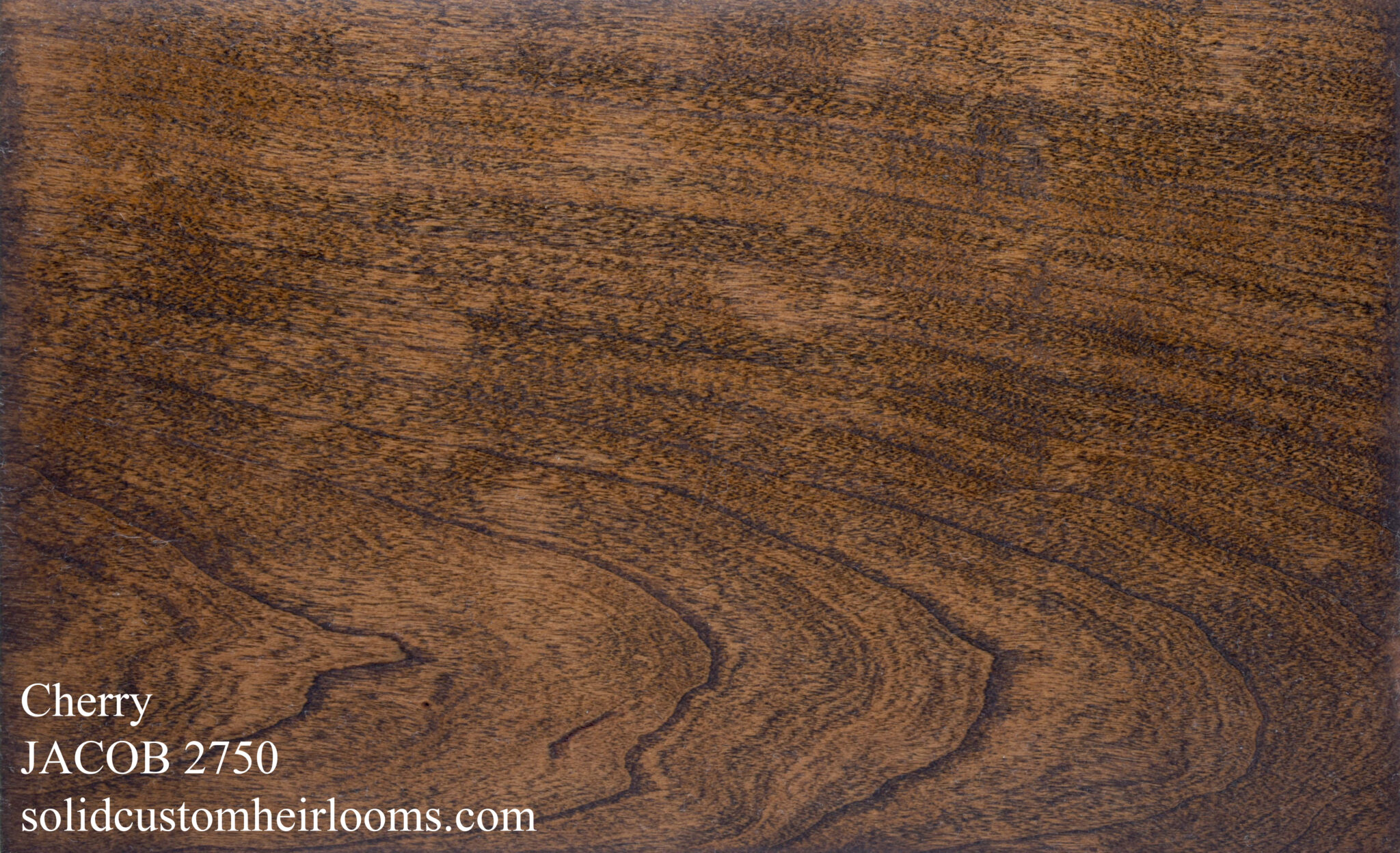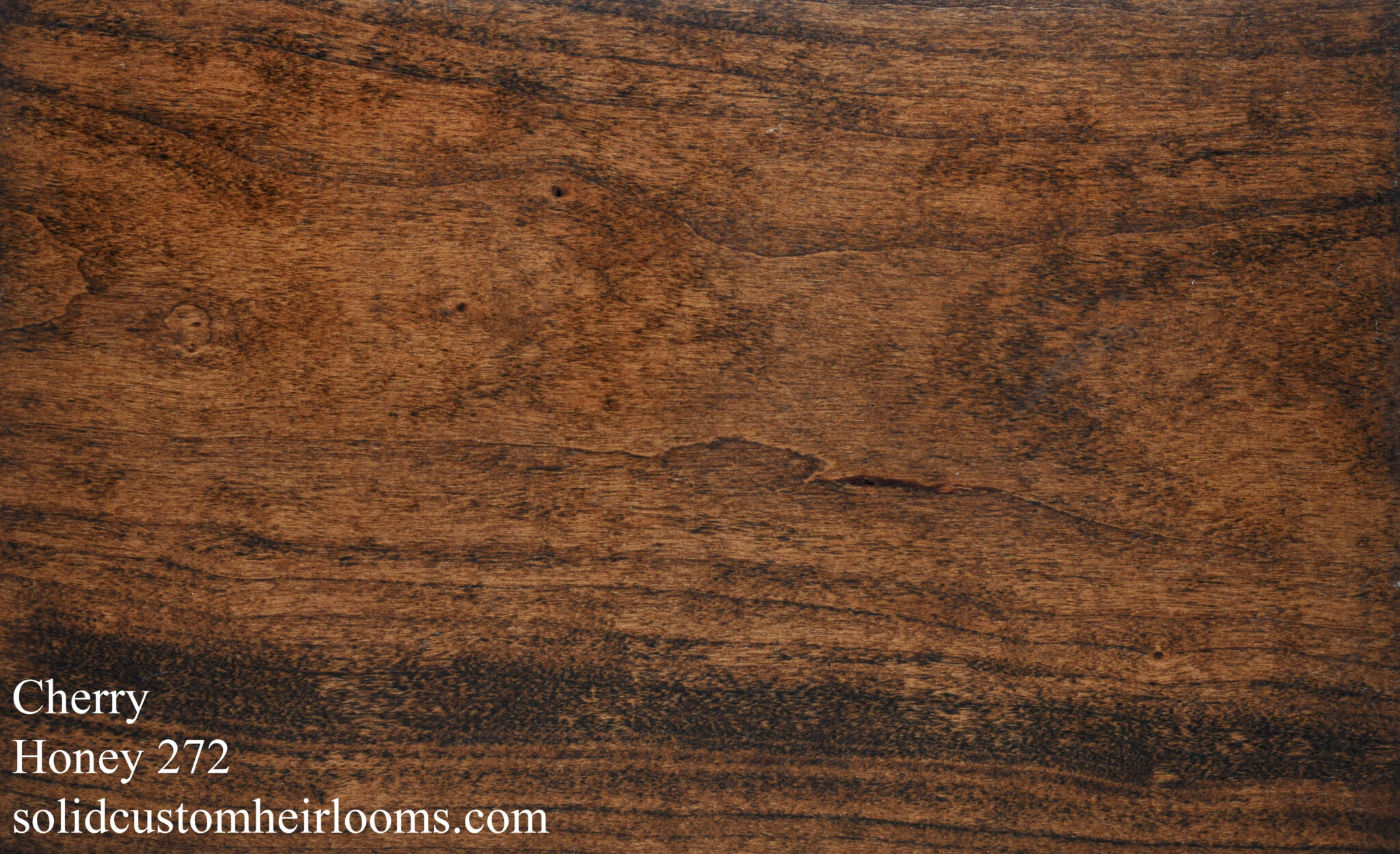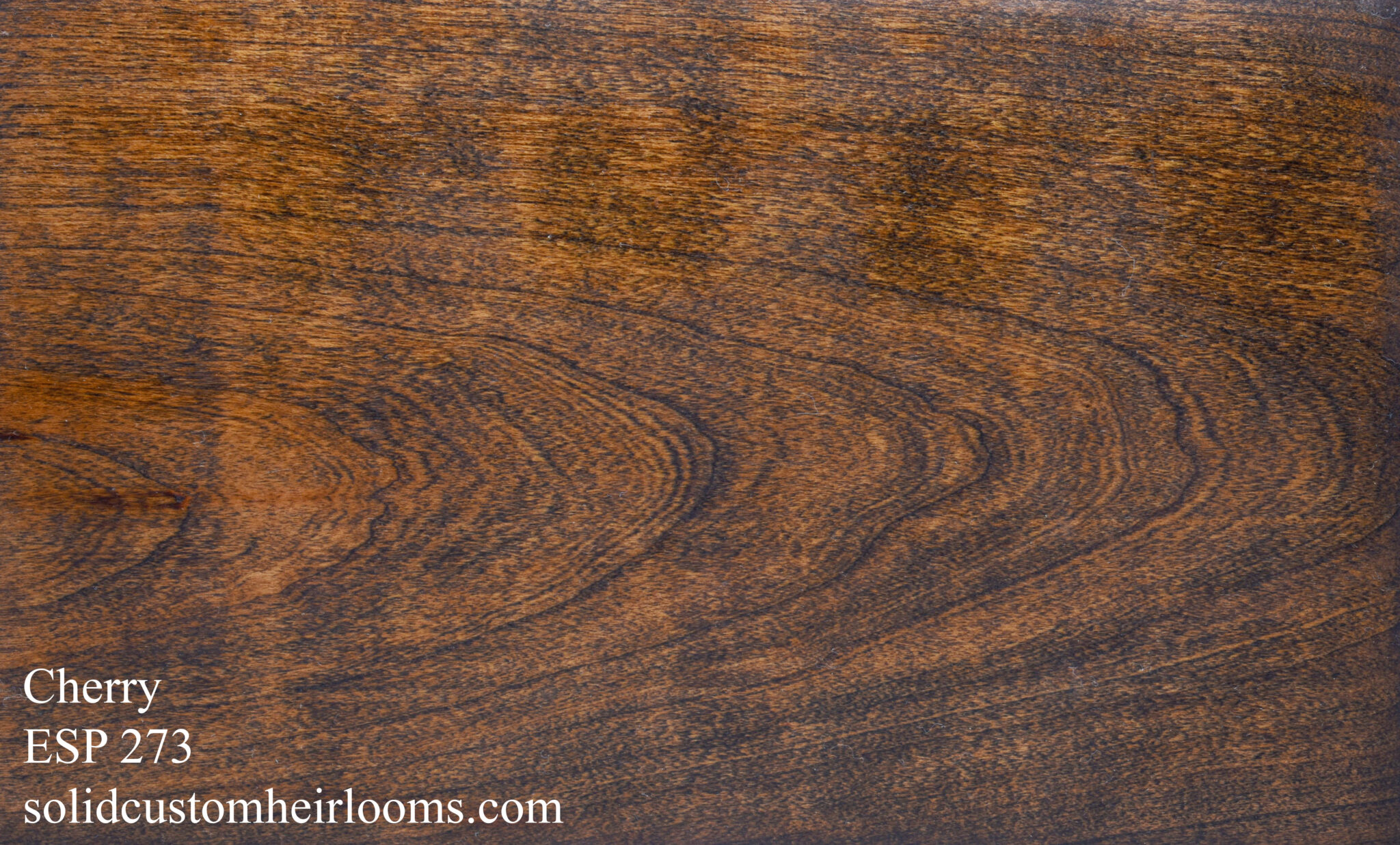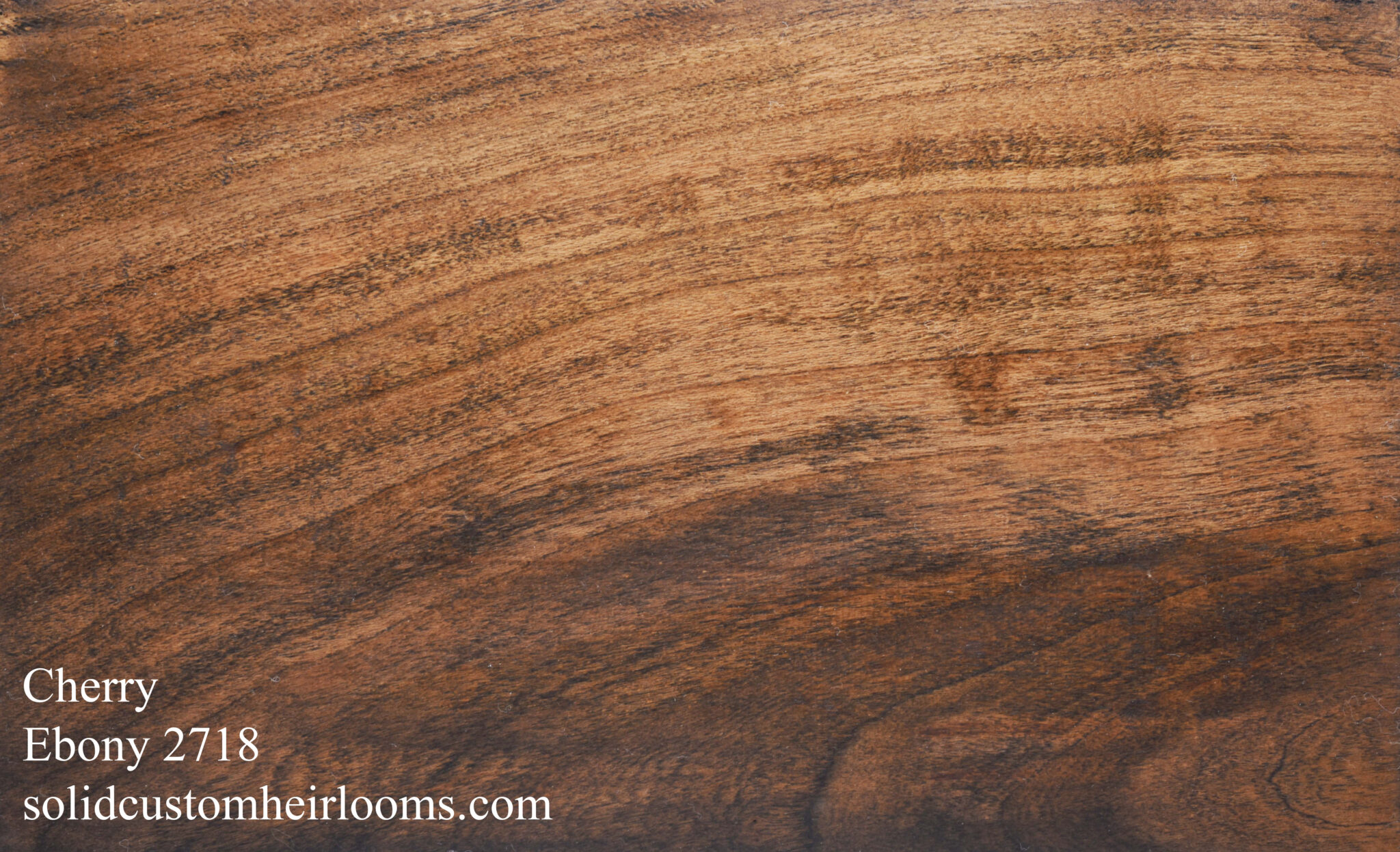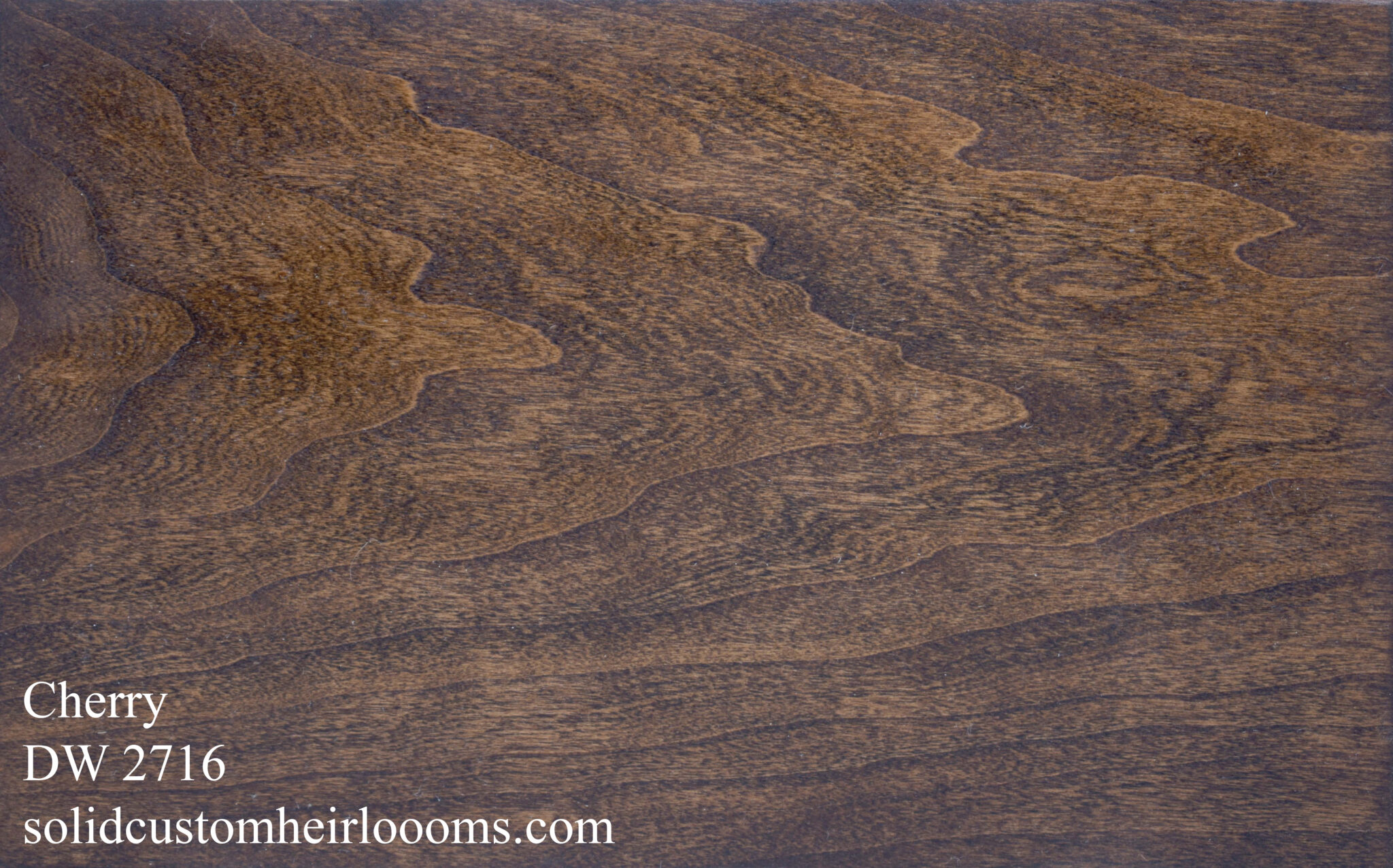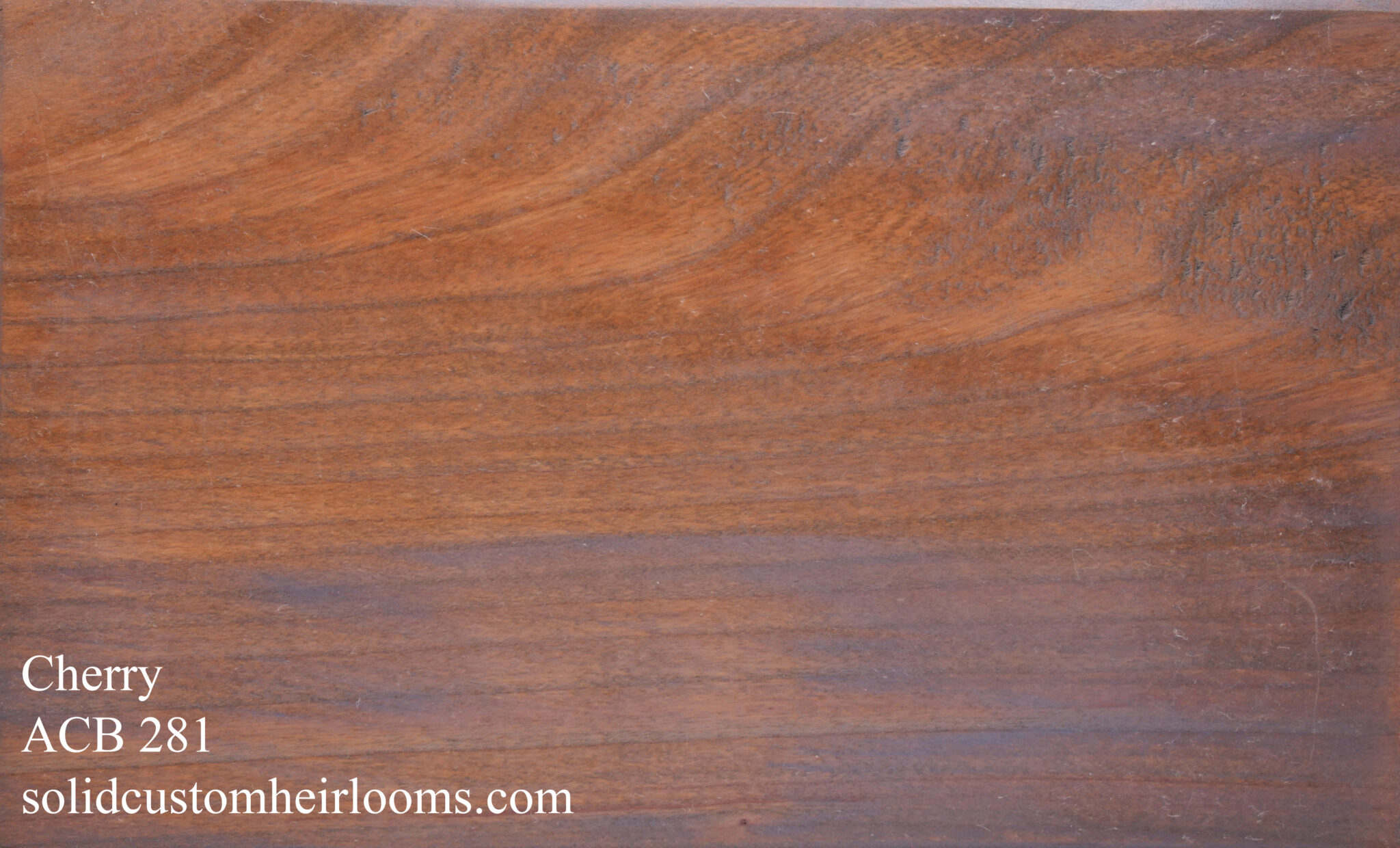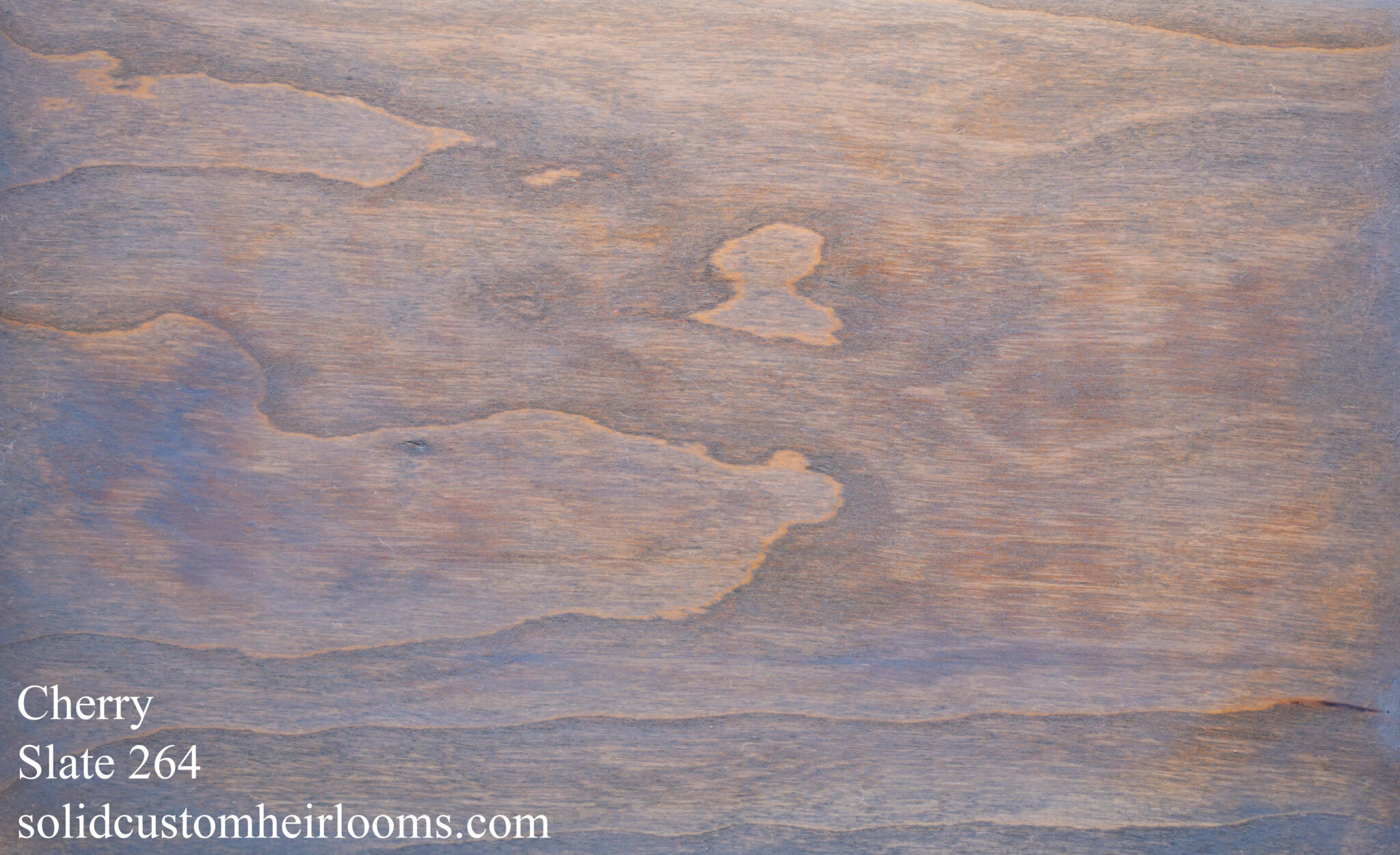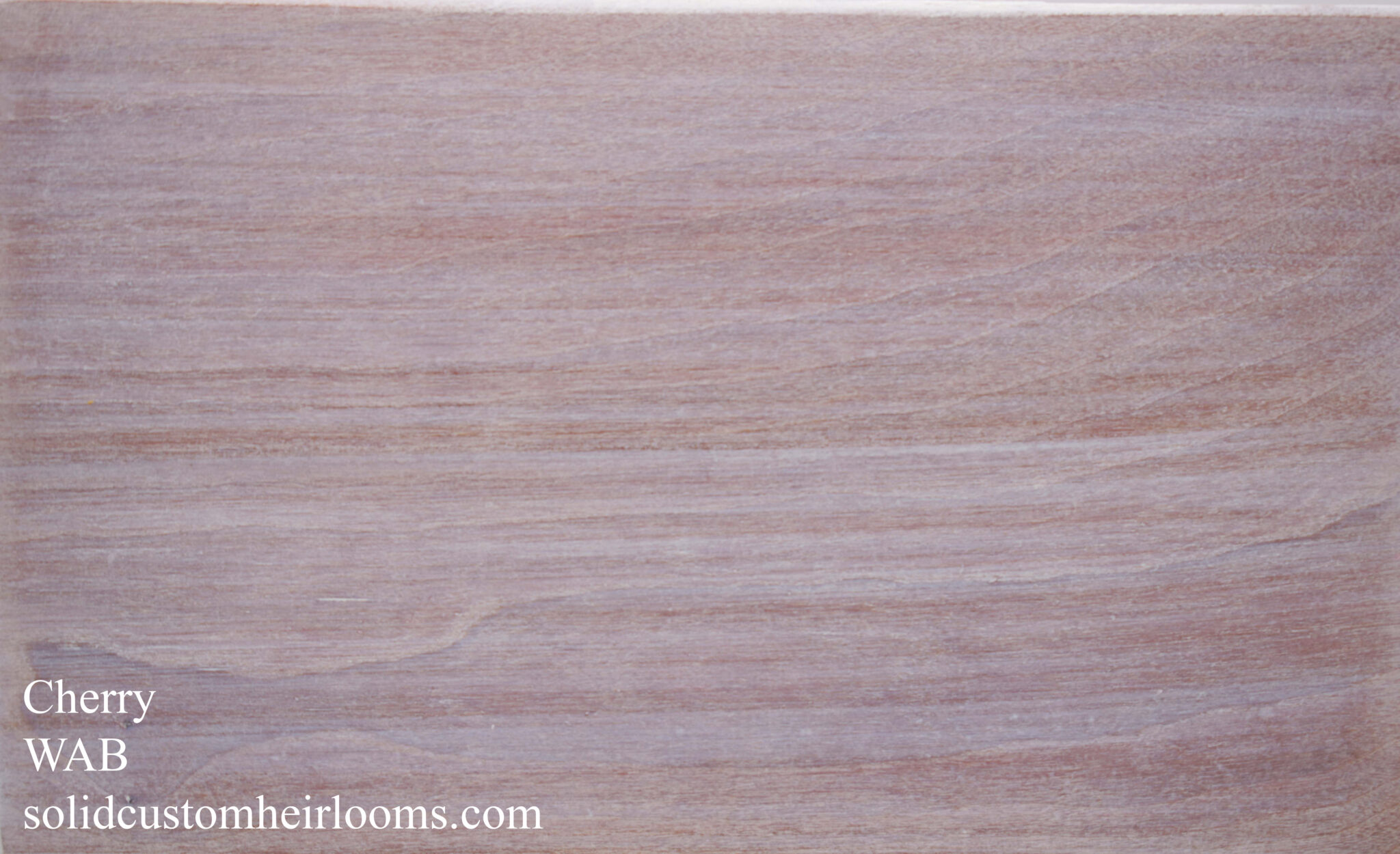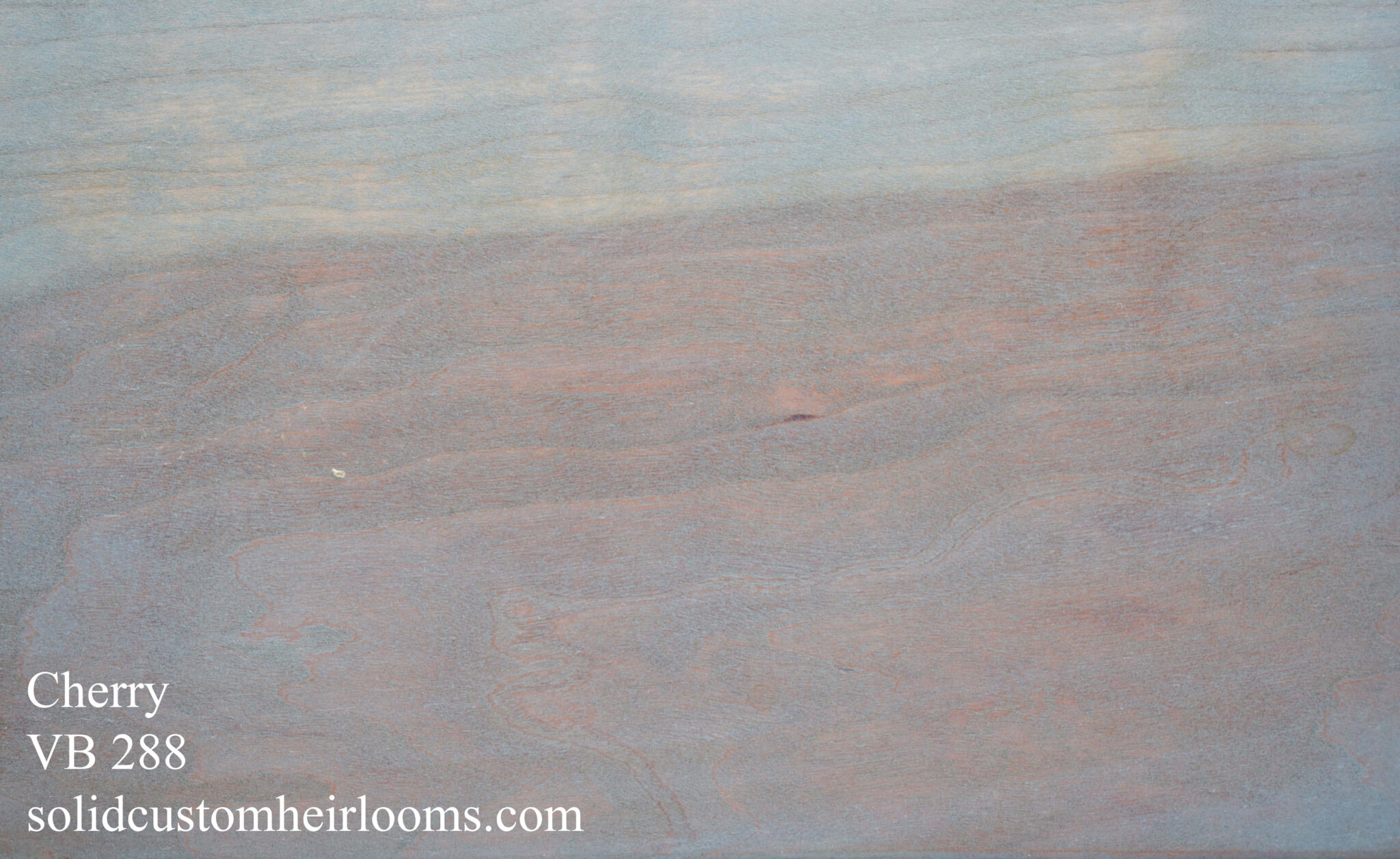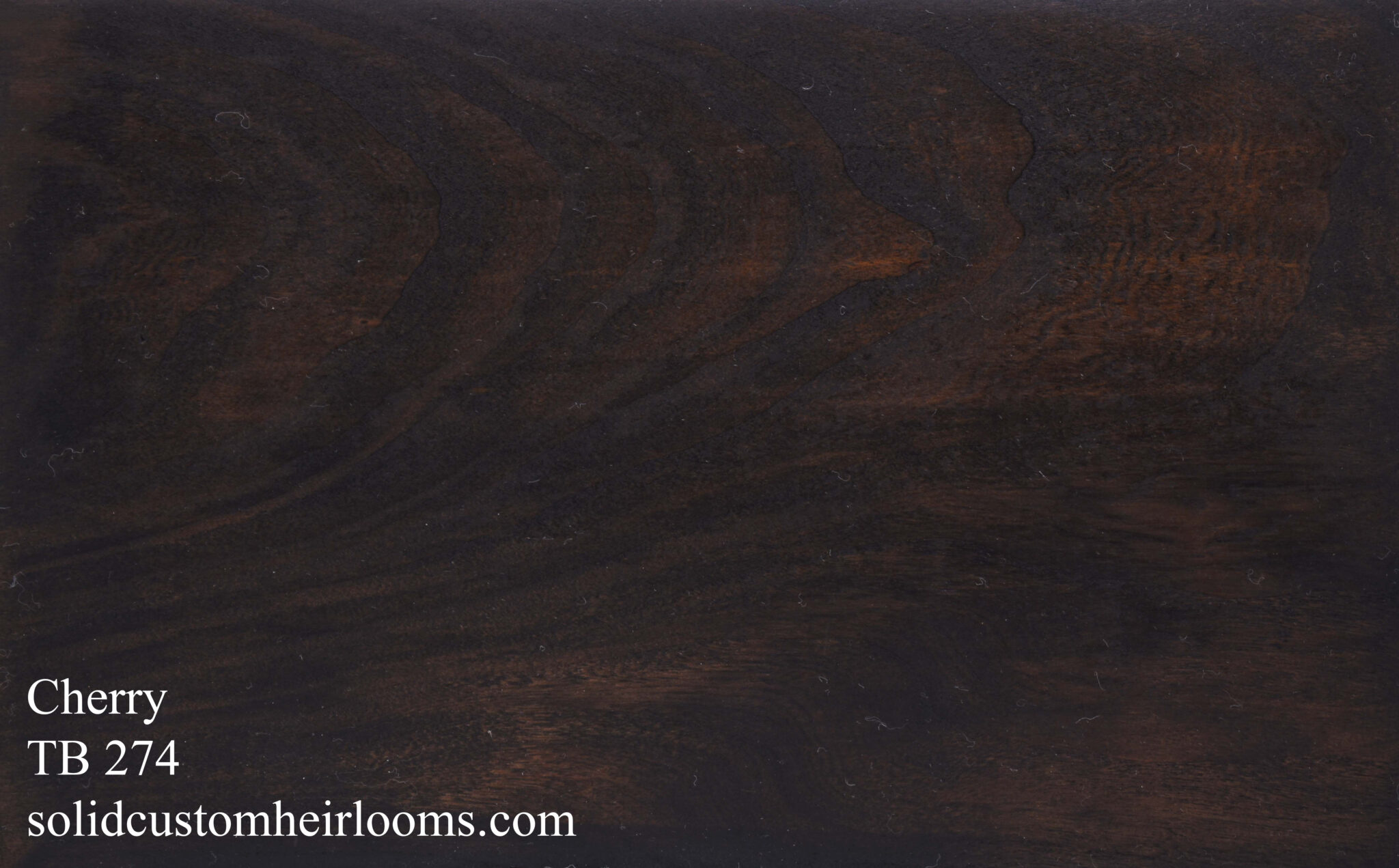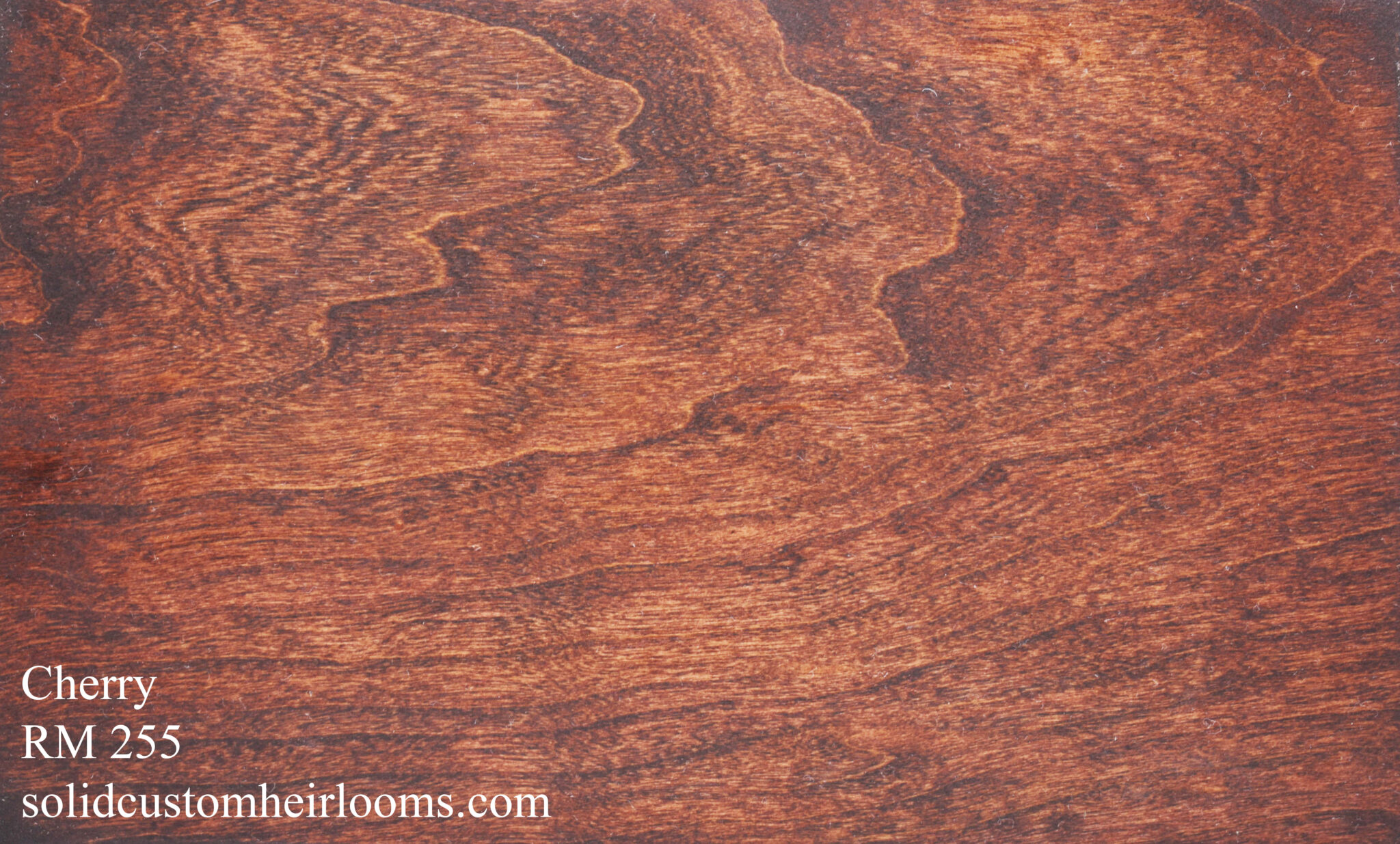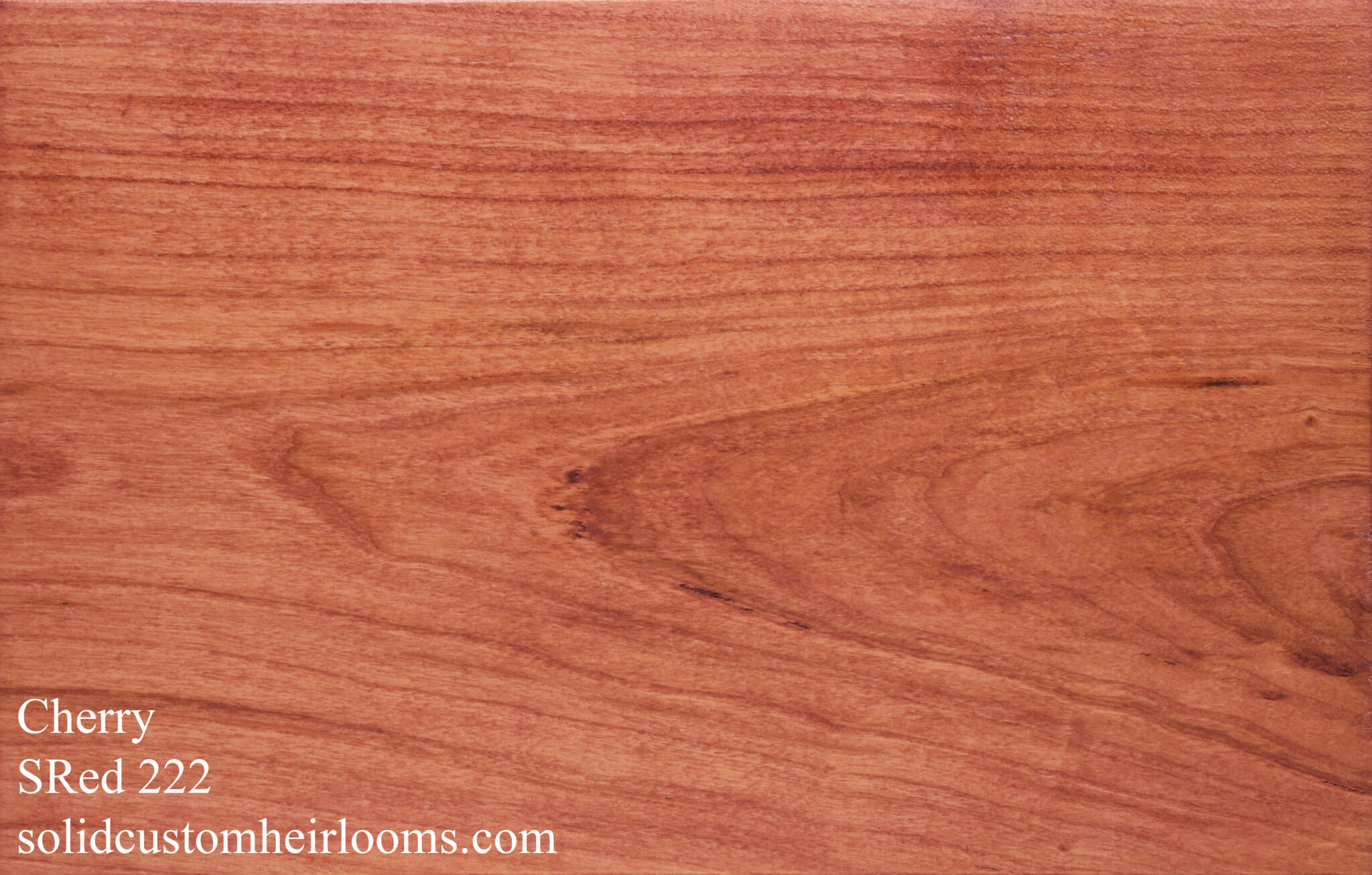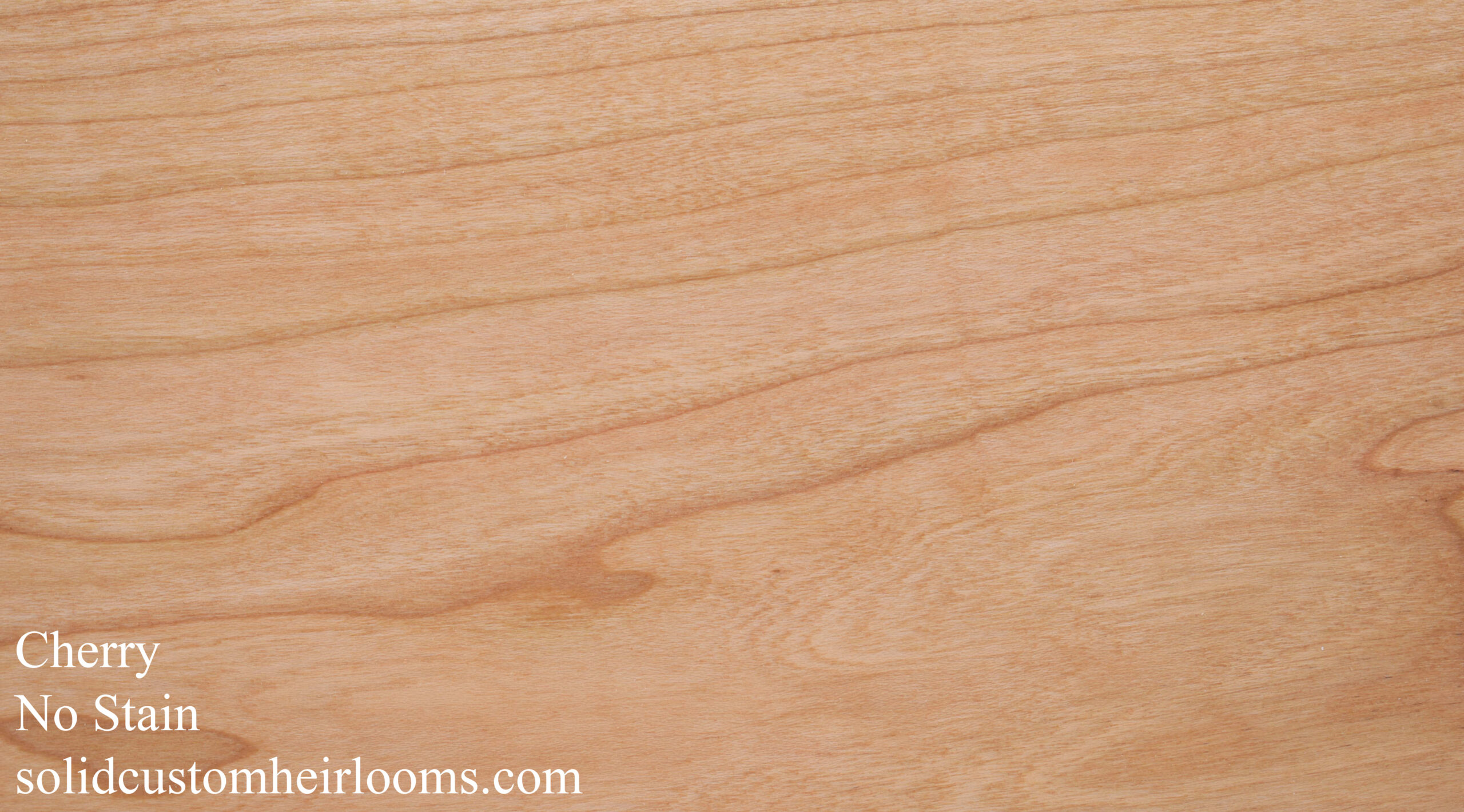
Furniture grade Cherry wood, produced from the American Black Cherry tree, is a hardwood known for its beautiful grain, warm tones and ultra-smooth, buttery finish. Cherry’s warm brown color features beautiful red overtones and darker markings around knots.
More than any other hardwood, Cherry will darken over time. You can expect unstained Cherry wood to start out a light pink color and age to a darker red to brown color. This color transition is a natural process that is a result of exposure to sunlight. The process starts immediately after the lumber receives its final sanding and finish and can take 6 to 12 months to complete.
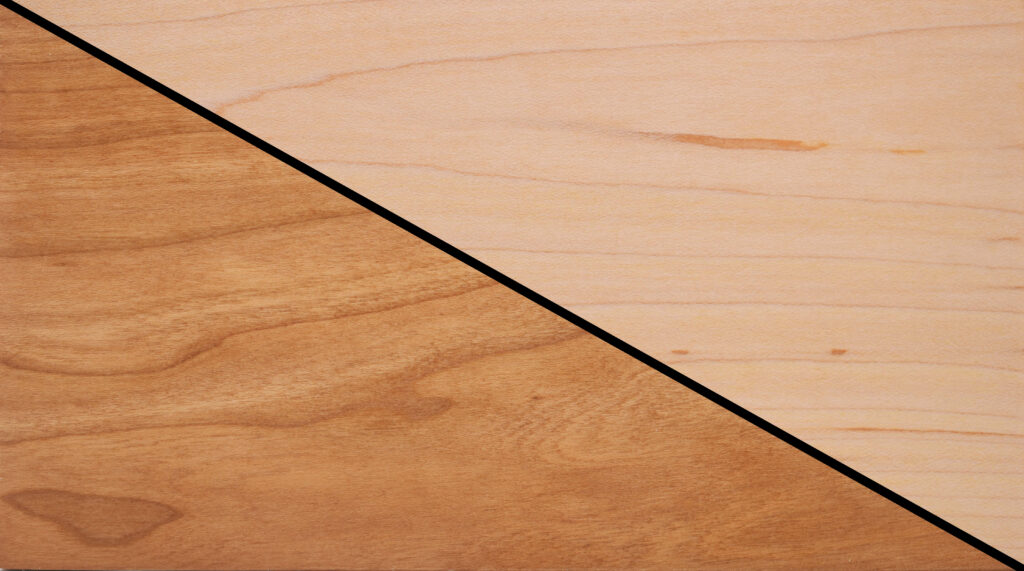
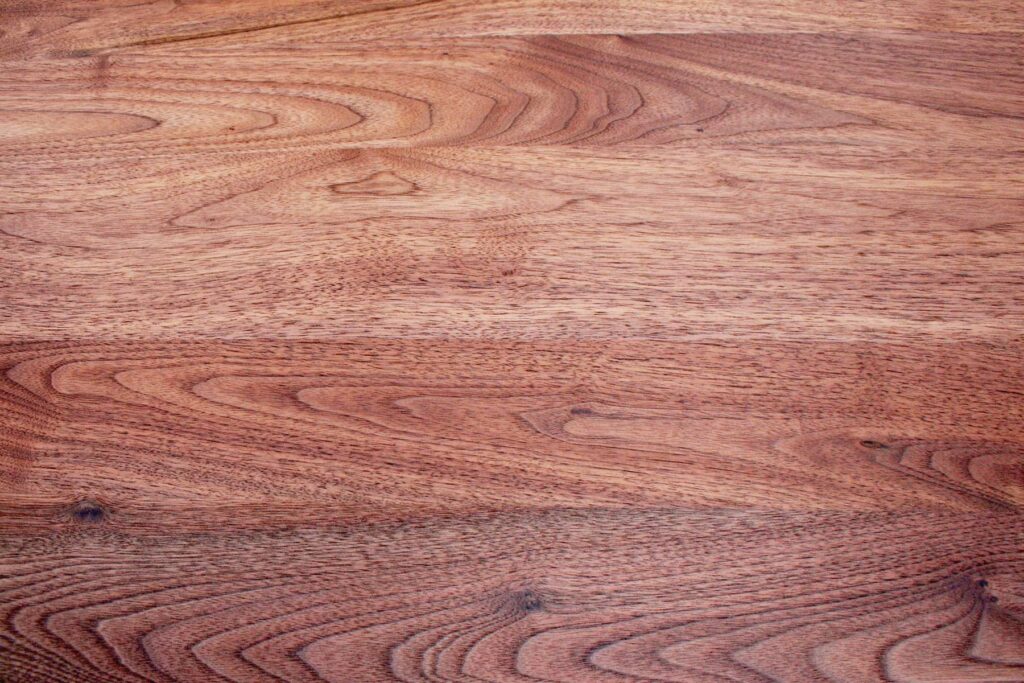
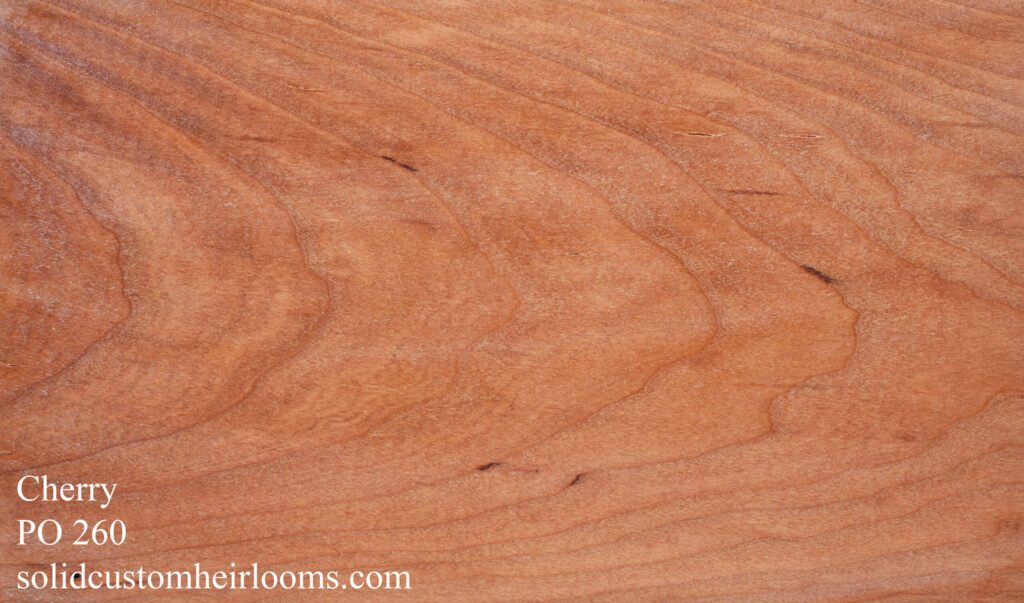
The first two color samples below show both freshly milled Cherry wood and aged Cherry wood. Cherry that is stained will also darken over time, but the darker the stain, the less this will be observable.
Furniture grade Cherry wood, produced from the American Black Cherry tree, Prunus Serotina, is a hardwood known for its beautiful grain, warm color tones and long lasting strength. Cherry’s warm brown color features beautiful red overtones and darker streaks around knots. When finished, Cherry wood is known for its ultra-smooth, buttery surface.
Cherry grows primarily in the Appalachian Forest region of the United States. Cherry wood is considered the quintessential American hardwood, being used in cabinetry, flooring and even musical instruments. Vintage Early American, Amish and Shaker furniture were often made from Cherry wood.
Cherry wood grows particularly well in the United States, predominately in central-east and east coast regions. It’s prevalence made it especially useful for the early United States, and was used for everything from flooring to doors.
Cherry is a prized furniture hardwood that is known for it’s deep reddish brown hues and smooth grain pattern. However, these colors only come over time after an aging process takes place. Before this it has a very light pink to tan color, with more distinct darker heartwood patches around the grain and some “checks” or mineral deposits throughout.
Cherry wood takes oil based stain very well, producing a smooth even coloration and distinctive look. While unstained cherry will naturally age to a classic red-brown color, it is also an excellent base for many other stain colors ranging from charcoal to navy blue and even barn red!
Cherry wood is famous for its straight yet widely spaced grain pattern. Cherry wood grain is different that Maple wood, which has a very straight grain and a tighter wood pattern. While both Cherry and Maple are light colored hardwoods, they are actually quite different in both grain pattern and color with Cherry being red and Maple being a clear tan.
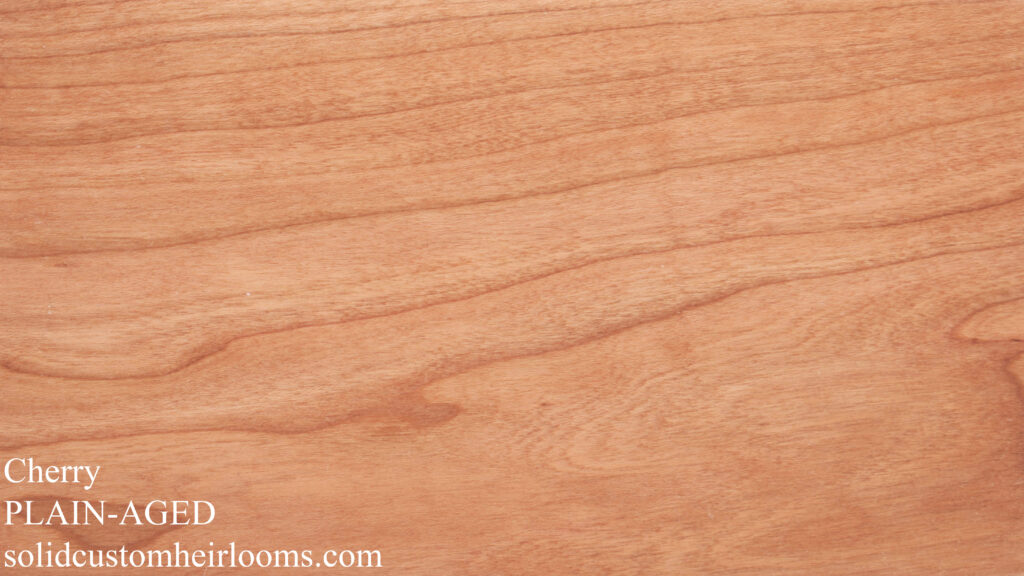
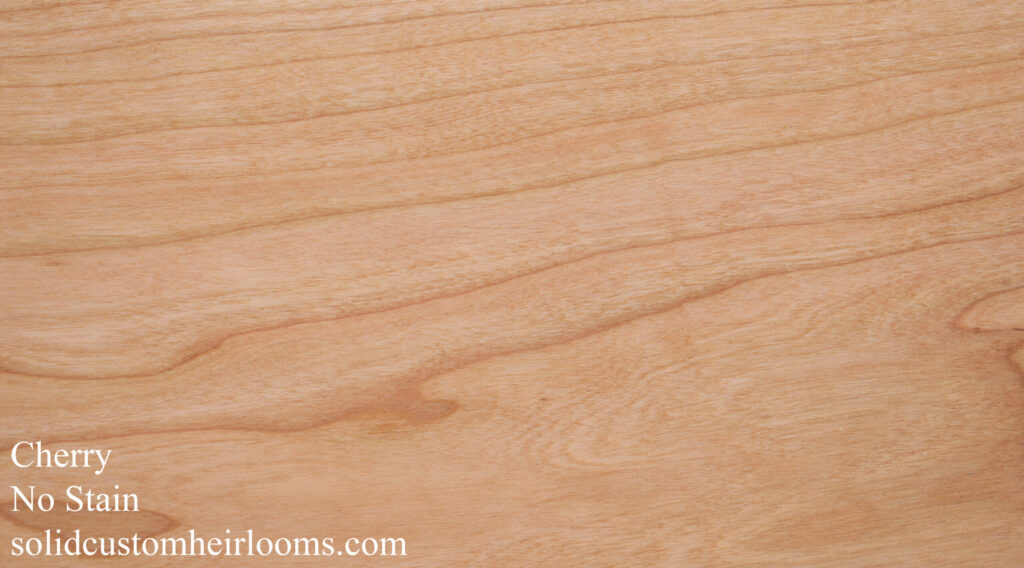
Over time, Cherry naturally darkens to form a rich, warm patina. This process is caused by oxidation, which naturally causes the wood to get darker and more ruddy. This process happens when oxygen from the air bonds, or reacts, with the natural chemicals in the wood. This causes a reaction that is similar in some ways to oxidization on metals like copper and silver.
Copper reacts to air by forming a green film over the metal, due to its negative charge bonding with oxygen’s positive charge. An example of this is the statue of liberty, which is actually encased in a sheet of copper. Silver reacts to oxygen by binding to it as well, creating a black film. An example of this is anything made out of silver, like a silver spoon. They need to be polished to get that dark layer off.
In a similar way, Cherry darkens up over time. The difference is that the oxidization sets into the crevice of the grain, making the layer less apparent. You can see the original un-aged color by cutting the wood in half and looking at the center.
Cherry wood is a very hard wood with a straight but widely spaced grain. It has interesting features around knots, but otherwise it is pretty uniform; red with streaks of darker burgundy.
The middle, or the heartwood, of a cherry tree varies from rich red to reddish brown and will darken with age and on exposure to light, which is the oxidation process. In contrast, the sapwood is creamy white. The wood has a straight-grain, a fine, uniform, satiny and smooth texture.
Cherry is easy to machine, nails and glues well, and when sanded and stained, it produces an excellent, smooth finish. It cures quickly compared to other woods and has a moderately high shrinkage if dried naturally. However, it’s size remains consistent if it is properly kiln-dried.
Cherry is dense, but it is not the densest of hardwoods. Denser woods would be White Oak and Red Oak. Cherry is also elastic, meaning it will bend more under pressure before breaking. This also means that it is not very stiff, adding to shock resistance. A downside is that the flexibility means that it is not the strongest wood we offer. The strongest wood prize goes to Oak.
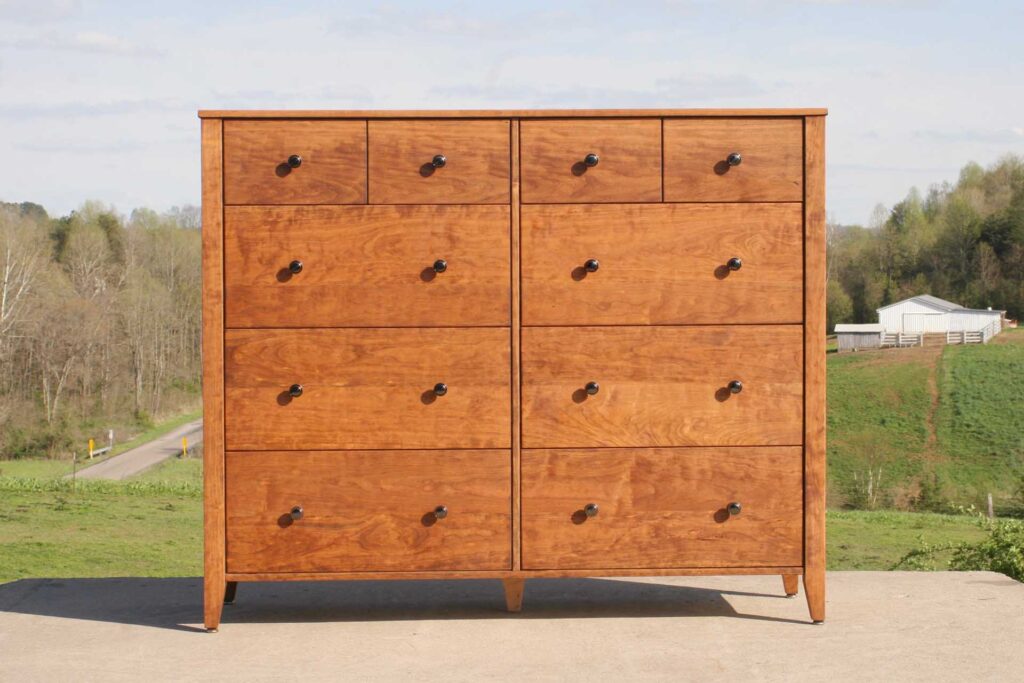
Cherry wood is hard, much harder than a softwood. Unlike Fir or Pine, which are softwoods, a hardwood like Cherry has more resistance to nicks, scratches and impacts. This is why hardwoods are used in floors and doors, because they are so durable.
Hardwood is naturally strong because of two factors: Density and Cell Structure. In general, hardwoods like Cherry have a greater density because of how closely packed the cells are. The tightly packed cells create a tight matrix of woody material, increasing the material per surface area, making the wood very dense and hard.
Furthermore, Cherry is hard because of it’s cell structure. Many softwoods have basic and loose grain, making it easier to disrupt their patterns. Splinters are common in softwoods because their grains are straight and wide, making it easy to shatter. Not so with hardwoods. Hardwoods have tight, complex patterns that not only look good, but are incredibly strong. That means that a hardwood will be significantly stronger than a comparable softwood. So, Cherry would be harder than a softwood.
If you only want a hardwood that is the hardest wood we sell, then Oak would be better. While cherry is hard, it is not as hard as Oak wood, which is renowned for it’s dent and scratch resistance.

We often get asked whether Cherry wood is good for furniture. Cherry wood is great for furniture because of all the qualities mentioned earlier. Furthermore, these qualities are ones that every craftsman likes. It is hard and consistent, keeping any shape that is given to it. It is beautiful, with a peppered grain pattern that creates nice visuals in the wood. And it is elastic, giving it shock resistance. This means that any shape that is given to it, it will keep. It is simply a joy to work with.
And for the customer, the resulting hardwood is perfect; Cherry builds beautiful and durable furniture that lasts for generations. It will last in and out of storage, and will last for a long time with the proper care.
Cherry sits in the middle of the hardness scale among hardwoods. It is softer than Maple and Oak, but harder than Walnut. So if something is going to see extreme heavy use, like a child’s desktop, then Maple or Oak is the best. Cherry is still good, but it is not the best for that use.
Color wise, Cherry is also in the middle of the other hardwoods. Maple is very neutral in color, having a laid back creamy golden tone. Walnut is an extremely rich brown wood, putting every other wood in our catalogue to shame with it’s bold color. Cherry, while red and incredibly mixed, does not quite match Walnut. Oak is interesting because of the varieties in the wood, but in general Cherry takes stains better.
Furthermore, if you are going to use a grey, black or blue stain, Maple or White Oak is better because of it’s neutrality. It will take more extreme stains easier. The color really comes down to personal preference.
On the other hand, Cherry darkens over time more than the other woods. If you want your wood to age over time, then Cherry is the best option.
In the end, the wood choice comes down to personal preference and use-case. Harder-used pieces will want to use Oak or Maple, while more decorative pieces may want to use Cherry or Walnut.
The realm of custom furniture has seen a remarkable evolution in recent years, driven by consumer demand for unique, personalized home decor that matches individual tastes and lifestyles. This trend emphasizes bespoke designs, allowing homeowners to actively participate in the creation of their furniture. As a result, buyers are not just acquiring a piece of furniture; they are investing in an item that reflects their personal style and household needs.
Custom furniture has become increasingly popular, particularly because it provides solutions that mass-produced items fail to offer. From maximizing storage in compact homes to creating statement pieces that highlight one’s aesthetic preferences, this personalization trend speaks directly to homeowners who want their spaces to tell a story. The craftsmanship and artistry involved in custom furniture make each piece distinct, often resulting in heirlooms that are cherished for generations.
Amish craftsmanship is renowned for its rigorous adherence to quality and tradition. The Amish woodworking culture is deeply rooted in values of simplicity and functionality, coupled with an unparalleled dedication to quality. Unlike factory-produced furniture, Amish-made items are crafted with traditional techniques passed down through generations, focusing on longevity and beauty.
The Amish approach centers on using hand tools and techniques that have remained unchanged for centuries, ensuring each piece is not only of high quality but also rich in heritage. This dedication to time-honored methods ensures every item is not just furniture but a piece of history.
Handmade furniture holds significant value not just for its durability but also for its individuality. Every piece of handmade furniture has its own story, crafted with care and attention to detail that machines cannot replicate. The human touch in each piece means that no two items are identical, offering homeowners a unique product that is both functional and a work of art.
At Solid Custom Heirlooms, we embody this heritage of quality. Our furniture, built by skilled American craftspeople, reflects the elegance and reliability associated with the Amish tradition of craftsmanship. Supporting economic growth in the Appalachian region, our furniture not only meets functional needs but also adds value to homes across America.
Amish furniture is renowned for its exceptional quality craftsmanship, which sets it apart from mass-produced alternatives. Using high-quality materials, traditional woodworking techniques, and meticulous attention to detail, Amish craftsmen create furniture pieces that are both durable and beautiful, making them highly valued by homeowners and furniture buyers alike.
One of the primary reasons Amish furniture is so good is the use of premium, high-quality materials. Amish craftsmen prefer to use solid hardwoods, sourced from native American species such as oak, cherry, and maple. These hardwoods are chosen for their strength, durability, and natural beauty, which ensure that each piece of furniture is not only aesthetically pleasing but also long-lasting. This focus on high-quality materials means that Amish furniture can withstand everyday wear and tear, maintaining its functionality and charm for generations
The Amish are known for employing traditional woodworking techniques that have been passed down through generations. This includes the use of dovetail joints, mortise and tenon joints, and other time-tested methods that enhance the strength and stability of the furniture. Such techniques require significant skill and patience, allowing each piece to be constructed with precision and attention to detail. Moreover, Amish craftsmen often work without the use of electrical tools, relying instead on manual skills and hand tools, which further exemplifies their dedication to traditional craftsmanship.
Another hallmark of Amish furniture is the impeccable attention to detail. Every cut, sand, and finish is executed with great care, resulting in a superior product that showcases excellent craftsmanship. Details such as smooth finishes, well-aligned grains, and sturdy fixtures all contribute to the overall quality of the furniture. This attention to detail not only enhances the aesthetic appeal of the pieces but also ensures their durability, meaning they can be cherished and used for many years without losing their structural integrity.
The meticulous approach of Amish craftspeople results in furniture that not only carries a timeless appeal but also stands as a testament to quality and dedication in woodworking. It’s this unwavering commitment to excellence that makes Amish furniture an investment in quality that homeowners and furniture buyers can be proud of.
Amish furniture stands out due to its exceptional quality, craftsmanship, and the use of all-natural materials. Unlike mass-produced furniture, which often uses veneers and particle board, Amish furniture is typically made entirely of solid wood, offering superior durability and longevity. Additionally, it incorporates environmentally friendly finishes and bespoke designs that cater to the specific needs and preferences of the buyer, making each piece truly unique and personal.
The absence of veneers or particle board is one of the most distinguishing features of Amish furniture. Using solid wood sourced from sustainable forests, Amish craftsmen avoid shortcuts that can detract from the furniture’s quality and lifespan. Solid Custom Heirlooms, for example, echos this approach by ensuring real American hardwood is integral to their offerings. The result is furniture that not only looks beautiful but also withstands the test of time, embodying heirloom quality.
Another aspect that sets Amish furniture apart is its environmentally friendly finishes. Rather than using harsh chemicals found in many modern finishes, Amish furniture often utilizes natural oils and stains that highlight the wood’s grain and natural beauty without emitting toxic fumes. This practice aligns with increasing consumer demand for sustainable products, contributing to both a healthier home environment and a healthier planet.
At Solid Custom Heirlooms, we use natural Tung Oil finish.
Customization and bespoke design are central to the allure of Amish furniture, allowing customers to specify wood types, finishes, and designs that best fit their spaces and styles. This level of personalization ensures that each piece of furniture is as unique as the home it inhabits. Solid Custom Heirlooms further strengthens this concept by offering design consultations where homeowners can collaborate directly with the furniture makers, ensuring their vision is brought to life.
The Amish approach to furniture design is rooted in functionality and simplicity, favoring forms that are timeless rather than trendy. This approach results in pieces that not only meet current aesthetic desires but also maintain a classic appeal that won’t look dated over time. This dedication to enduring beauty and practical design is what many furniture buyers look for when seeking high-quality pieces that can become future heirlooms.
Amish woodworkers are renowned for their exceptional craftsmanship, and their reputation as skilled artisans is well-deserved. With generations of accumulated knowledge, the Amish community exemplifies an unparalleled dedication to the art of woodworking. This commitment extends beyond mere skill, as it involves a deep-seated tradition of mastering the craft while continuously honing their abilities. Their reputation for excellence and reliability in woodwork is a testament to their enduring legacy in the furniture-making industry.
The mastery of woodworking within Amish communities is often passed down through generations, creating a strong lineage of woodworking expertise. Young Amish craftsmen typically learn the trade from their elders, starting at an early age. This apprenticeship ensures that time-tested techniques and meticulous attention to detail remain a hallmark of Amish furniture. Each new generation of artisans is trained extensively in both basic techniques and complex craftsmanship skills, ensuring the continuum of quality and care that has defined Amish woodworking for centuries.
While deeply rooted in tradition, Amish woodworkers are not static in their approach. Instead, they embrace a commitment to continuous learning and improvement. This dedication is reflected in their openness to refining their techniques and integrating innovative methods where they align with traditional values. By maintaining this balance, Amish woodworkers uphold their standards of excellence while ensuring their products remain relevant and competitive in modern markets. The result is finely crafted furniture that combines aesthetic appeal with practical functionality.
The reputation of the Amish as meticulous and reliable craftspeople draws in consumers who value the quality and durability of each piece of furniture. This reliability is not just a promise of construction quality but a guarantee of a piece of heirloom significance that will be appreciated for generations. Their reputation extends beyond the immediate communities as consumers across the nation seek out Amish products, recognizing the unmatched craftsmanship that comes with furniture bearing the Amish name.
At Solid Custom Heirlooms, we share a similar philosophy regarding the importance of skilled craftsmanship and quality materials. Our custom furniture, built by seasoned American craftspeople in the Appalachian region, echoes the values seen in Amish woodworking, such as durability, beauty, and generational longevity. Our dedication to producing heirloom-quality pieces aligns with the timeless standards set by generations of Amish artisans, making both excellent choices for those seeking superior woodwork.
Amish furniture is crafted by skilled individuals within Amish communities, often involving whole families dedicated to maintaining their traditional craft. These family-run workshops are the backbone of Amish furniture-making, producing pieces known for their quality and attention to detail. Typically, furniture is made without modern machinery, relying instead on manual tools and time-honored techniques passed down through generations.
Amish communities are central to the production of their acclaimed furniture. Each piece is not just a product but a testament to their values of simplicity, humility, and sustainability. Through a communal approach that values both tradition and community welfare, the Amish ensure high-quality outputs that reflect their collective skills. This community-based craftsmanship embeds a sense of purpose and authenticity in every item, distinguishing Amish craftsmanship in the marketplace.
Family-run workshops are the primary establishments for crafting Amish furniture. These workshops serve as places where family members learn and perfect their skills, nurturing an environment where craftsmanship thrives alongside familial bonds. In these settings, knowledge is passed from elder to youth, ensuring continuity and consistency in quality. Typically, a family will manage all stages of production—from selecting timber to applying the final touch of polish—reinforcing a direct connection between the maker and the materials
In addition to family resources, Amish furniture makers often collaborate with local craftspeople, enhancing the creativity and variety of furniture designs. These collaborations allow for the sharing of specialized skills and resources, leading to a diverse range of bespoke pieces that can cater to a multitude of needs and preferences. Such partnerships also support the local economy, contributing to a sustainable and thriving community ecosystem.
The reliance on American craftspeople for the creation of their furniture underscores the Amish commitment to domestic craftsmanship excellence. This ensures that the final product carries the essence of both the region and the artisans who crafted it. Not only does this foster a sense of pride and quality assurance, but it also reinforces consumer trust in each uniquely crafted piece of furniture.
Today’s consumers are markedly more conscientious about the environmental and social footprint of their purchasing decisions. In the world of custom furniture this shift is manifesting in a pronounced preference for locally sourced materials and ethical business practices. Ohio is particularly well positioned to lead this movement: the Appalachian region offers not only an abundance of high-quality hardwoods, including oak, maple, cherry, and walnut, but also a vibrant network of craftspeople who are deeply invested in sustainable forestry.
By sourcing lumber locally and favoring solid wood construction over cheaper alternatives like veneers and particle board, custom furniture makers in Ohio minimize transportation emissions, reduce waste, and support the regional economy. These practices resonate with homeowners who understand that environmental sustainability and long-term durability often go hand in hand. Transparent supply chains, wood certifications, and stories about the provenance of each piece contribute to customers’ sense of connection, both with the furniture and the community. As sustainability concerns continue to influence buying choices, Ohio’s commitment to local, ethical craftsmanship sets its custom furniture industry apart.
Collaborating with Amish builders offers homeowners a unique opportunity to create customized, one-of-a-kind furniture pieces that seamlessly blend traditional craftsmanship with modern design aesthetics. This partnership is particularly appealing to those who value high-quality craftsmanship and sustainability, as Amish builders are renowned for their meticulous attention to detail and use of natural materials. Homeowners can benefit from the expertise of Amish craftsmen, who bring generations of woodworking experience to each project, ensuring that the final result is a durable and beautiful piece that meets individual style preferences and functional requirements.
By working directly with Amish artisans, homeowners gain access to a level of craftsmanship that is rare in today’s mass-produced market. Amish builders are skilled at transforming conceptual designs into tangible works of art, offering homeowners the ability to specify every detail, from wood type to finish, to create truly bespoke furniture. This collaboration allows for the creation of heirloom-quality pieces that reflect personal taste while incorporating superior materials and construction techniques.
Moreover, the experience of crafting with Amish builders often includes a personalized design consultation, allowing homeowners to receive expert advice and recommendations that enhance the overall design of the piece. This personalized approach ensures that each item is not only functional and beautiful but also perfectly suited to the client’s home environment and lifestyle.
Though rooted in tradition, Amish builders play a critical role in advancing design innovation within the custom furniture industry. Their willingness to collaborate on contemporary design challenges has led to inventive solutions and creative blends of traditional and modern styles. Their expertise in using sustainable, natural materials encourages a more eco-friendly approach to furniture design, appealing to environmentally conscious consumers.
In addition, Amish builders often incorporate technological advancements in woodworking tools and techniques, which while subtle, enhance precision and efficiency without compromising the hand-crafted quality that they are known for. This balance of innovation and traditional methodology results in custom furniture pieces that are not only unique but also stand the test of time.
Solid Custom Heirlooms embodies these collaborative and innovative spirits by working alongside skilled Amish craftsmen to bring your dream furniture to life. With our focus on customer satisfaction and sustainability, our partnership guarantees high-end, artisan-quality furniture tailored to your specific needs. Contact us today to begin your custom furniture project and experience the unmatched quality and design innovation that only Amish craftsmanship can offer.
As we look towards the future of custom furniture, the relevance of quality and tradition exemplified by Amish craftsmanship continues to shine brightly. The benefits of Amish furniture are characterized by a commitment to enduring quality, meticulous attention to detail, and the sustainable use of local materials — elements that appeal to conscientious homeowners and discerning furniture buyers.
The future of the industry is set to be influenced by an increasing appreciation for bespoke, high-quality furniture. Consumers are becoming more aware of the environmental and economic impacts of their purchasing decisions, leading to a growing demand for furniture that not only serves aesthetic purposes but also aligns with sustainable and ethical standards. The Amish, with their time-honored traditions and superior craftsmanship, are perfectly positioned to meet these emerging consumer expectations.
Moreover, the ability to offer customizable solutions allows Amish furniture to cater to diverse consumer needs and preferences, bridging the gap between traditional methods and contemporary design requirements. This customization ensures that each piece of furniture is unique and tailored to the client’s specific taste, serving not just as functional items but as personal expressions of style and identity.
For consumers, embracing Amish quality and tradition in custom furniture is a way to secure investments that will stand the test of time, offering both usability and aesthetic pleasure across generations. It is a celebration of traditional craftsmanship that integrates seamlessly into modern lifestyles, elevating the ambiance of any home environment.